Foro Empresarial COPARMEX Mazatlán, 26 Nov 2010, No. 1

Yo soy fuereño nací de aquí muy lejos
y sin embargo les digo en mi cantar
que tienen todos ustedes un orgullo
el gran orgullo de ser de Mazatlán.

I love my adopted city. It is absolutely gorgeous. Our daily morning walks and bike rides along the seawall to buy fresh fish and shrimp, greet our neighbors, watch the fishermen play dominos, or talk to the oyster divers … make this place home. Some of the world’s most hospitable and happy people live here, in Mazatlán, nestled between some of the world’s most beautiful beaches and mountains.

But, as I’ve written about before, my beloved adopted home is sick. We hear the statistics about drug trafficking, we hear of murders amongst drug lords. As I look around my fair city I see more and more a numb reaction to the loss of human life, and, even in some of my most beloved (and internationally successful) banda groups, a glorification of violence. Living here drives a wedge between my extended family and us, as they cannot imagine why we would move to such a violent place.

We continue to feel much safer here than we did living in a US city. The violence here seems much more targeted and, honestly, carefully executed then what we were lived with in the States. Every Sunday as we set up for mass in the cathedral we lit a candle for each victim of a murder in Kansas City. By the end of the year it took me the better part of half an hour to light all the candles!

I struggle with what I can do to help my city. Our son participated in Model United Nations last year. They took up the theme of combating narcotrafficking. They didn’t find great solutions, as we might hope young people would. Rather, they got stuck, discouraged, just like all of us seem to. It’s a tough and complicated problem.

Today our local branch of COPARMEX held a business forum entitled Sinaloa: Un Futuro Extraordinario. I was able to attend, and it was incredibly educational as well as emotional! I learned a lot, for sure, and it’s going to take me a couple of blog posts to tell you about all of it (warning!). It was emotional for two reasons: the first speaker was awesome but depressed the heck out of me, but he perfectly set up the final speaker, who seemed to, finally, have some of the answers.

The first speaker was David Calderón, Director General of “Mexicanos Primero.” His presentation was excellent, full of informative, well-presented, meaningful statistics, all from their 2010 report (just released last week), which unfortunately does not yet seem to be posted online. So why did I find his talk so depressing? Because it caused me to think: Why in the world had we purposefully brought our son to a country in which 51% of its kids score “insufficient” on the country’s own national competency tests (ENLACE for secundaria)? And to a state where over 50% of the kids scored “below basic” on those same tests (ENLACE, PISA, EXCALE)? What were we thinking? I totally believe that education is the key to our future. Why had we brought Danny here? I know our reasons were precisely those: to get an education, a real one; to become bilingual, multicultural; to gain experience living as a minority rather than a majority member of society.

Today’s final speaker, a man with whom I would absolutely love to have a very long, wine-fueled, philosophical dinner, had such passion. He voiced clarity, he communicated his own inadequacies and gifts, and I found his message bringing tears to my eyes and hope to my heart. Yes! That was why we brought our son here! For him to learn first-hand that social inequality is not a good thing! We came here to motivate our son to want to help our world distribute power and opportunity, to understand in the marrow of his bones that an educated, empowered people is much healthier, safer, and saner than a populace filled with the vitriol and despair of socio-economic disparity and immobility. Our final speaker today was the former mayor of Medellín, Colombia, Sergio Fajardo Valderrama.

I figure I’ll need about three blog posts to summarize today, at least in my own mind.

  1. First, I hope to tell you a bit of the message I gleaned from Doctor Fajardo, a mathematician and architect’s son-turned-mayor.
  2. Second, I’d like to try to find “Mexicanos Primeros” 2010 report and summarize for you some of its powerful statistics.
  3. Finally, I’d like to do a lighter post on some of the cultural differences I found attending a business leadership conference like this, the first I’ve had the privilege to attend here since moving to Mazatlán.

I hope this introduction has whetted your appetite! Now I just have to find the time to write the posts ☺

Read post #2about this Foro.

AeroFest Mazatlán

I want a paramotor!!!

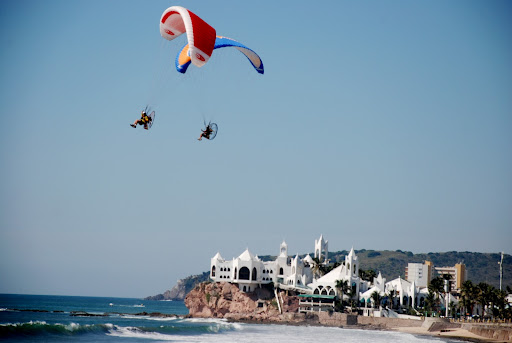
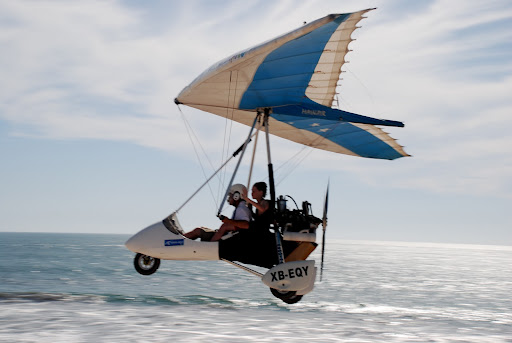
This past weekend (November 12-13, 2010) was an incredibly wonderful event which took place right in front of our house and highlighted the incredible beauty of our area : AeroFest. The weather was absolutely perfect, the sky blue and nearly cloudless, the tide out so there was plenty of beach on which to land.

Here is incredible footage taken FROM a hang glider, looking down.
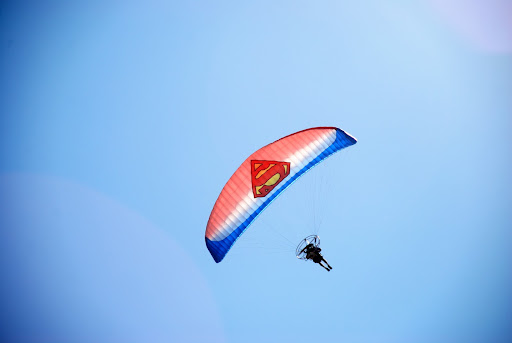
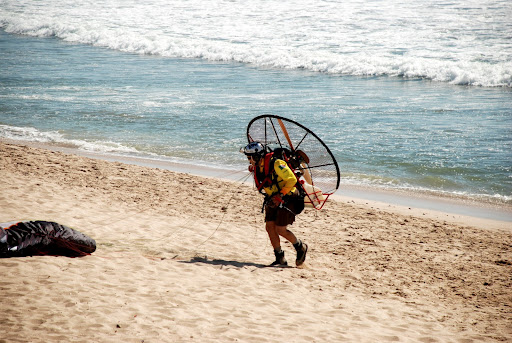
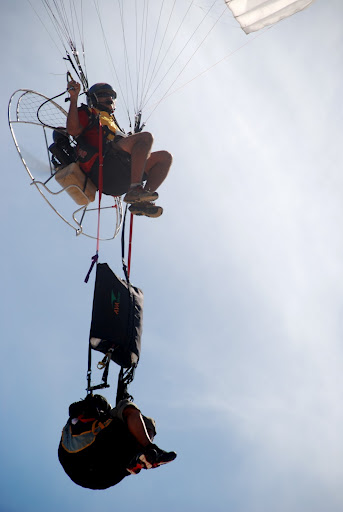
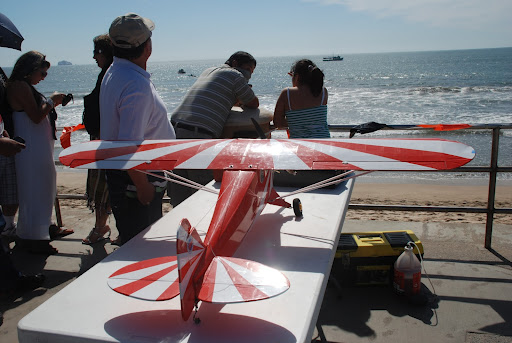
The event was held on the malecón between Valentino’s and Avenida Insurgentes, and sponsored by the Tres Islas Hotel and Motel Association to promote tourism to Mazatlán. This year it included the national championship for Paramotors (powered paragliders). These incredible devices were new to me. They include a parachute and, strapped to the rider like a backpack, a two-stroke motor (looks like a garden blower) that powers a propeller. The riders look like something out of Star Wars.


And, oh, they have soooo much fun! They can go high in the sky, they can turn corkscrews, they can swing, they can drag their feet in the surf. I’m told they cost about US$12,000, and require a week’s worth of classes to be able to pilot. I will be saving my pesos!

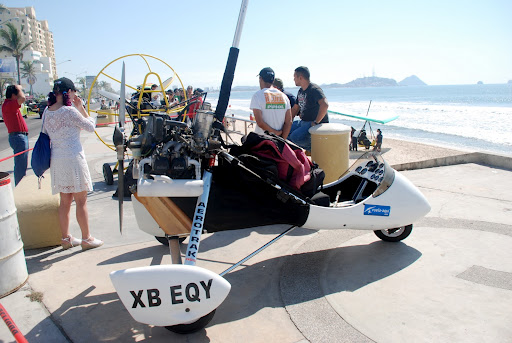
Also participating were ultralights, paragliders, and parachute jumpers. Pilots came from Venezuela and the USA as well as from throughout Mexico: Tijuana, Mérida, Cancún, Acapulco, Mexico City, Valle de Bravo, and Guadalajara. I have attended the Milwaukee Air Show the past couple of summers. It is much larger and really awesome: stealth bombers, Blue Angels. But the quiet, simple beauty and pure joy of this event, in such a gorgeous setting, left me thrilled. Thank you, Mazatlán!


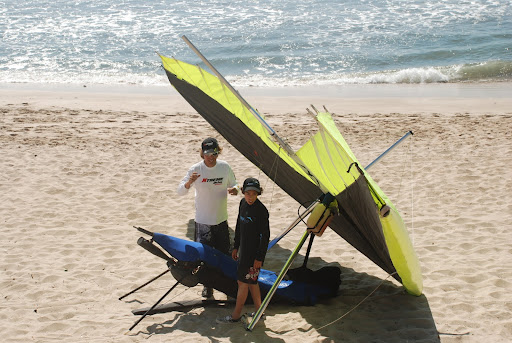
On Friday the 20 or so pilots practiced, beginning around noon. It was an incredible afternoon. Both the beach and the malecón were empty. We were able to see the pilots assemble their vehicles (is that what you call them?) and launch them.


To launch a paramotor, you appear to hook yourself up to the parachute and to your motorized propeller backpack, run a few steps, take a little jump, and you’re off! They zoomed around and came in so close we could almost touch them, waving to us with their hands as well as with their feet. Oh it was fun!

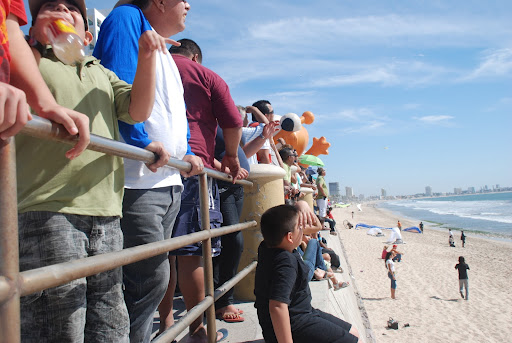
Saturday was the competition. There were many more people both on the beach and along the malecón, and several vendors selling ceviches, ice cream and fruit. There seemed to be more skydivers than on Friday, including a guy in a webbed suit.

There were gliders with two riders, some riding side by side, front and back, and one even top and underneath his partner.

All the pilots sadly appeared to be men; gotta get some women into this! And, there were gliders trailing ribbons behind them, which looked really cool.

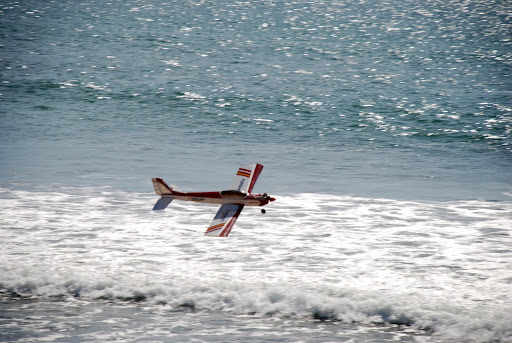
The big addition on Saturday was the remote controlled airplanes, which the kids especially loved.


Lotería as Modern Social Commentary


Most of you are familiar with the very popular Mexican game called Lotería. The Lotería images are iconic worldwide: esteemed by collectors, represented in art, and used in crafts projects. Recently a girlfriend of mine sent me images for a 21st century update of the Lotería cards that provide an insightfully scathing social commentary, packaged in this most innocuous of game wrappings.

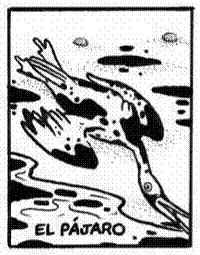
The traditional El Pájaro, as shown at left, was a merry looking songbird. The updated version I received, at right, is dead on the beach, covered with oil.

There are quite a few themes that appear in the set of 27 (vs. the traditional 54) cards that I received. The top four themes in order of frequency on the cards are:

  1. Crime and Violence (7 of the 27 cards)
  2. Environmental Destruction (5 cards)
  3. Drugs, and Alcohol (5 cards)
  4. Breakdown of Social Values (2-4 cards, depending on how you categorize them)
Many Mexicans play Lotería with their families and friends, particularly when the children are joining in. The best part about Lotería is the caller, or cantor. S/he often tells riddles or jokes about the image, which is often the funnest aspect of the game.

A wonderful thing about Lotería is how adaptable it is. While the traditional images are known by everyone, you can find Lotería games customized to many specialized purposes. I love using games as learning tools, and I’ve often used Lotería or Bingo to teach vocabulary or review basic concepts. These new cards would lend themselves well to current events! I have no idea who created the new images in this post. If you know, please let me know! I can only imagine what fun a good cantor could have with these newly revised cards!

First let me show you a few of the new cards, next to their more traditional predecessors. The traditional version is colorful. The cartoonist (I assume) who drew these new cards used monochrome pen and ink.


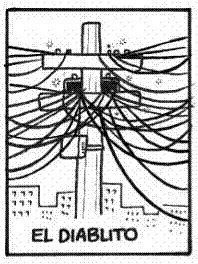
El Diablito, traditional at left and updated at the right. At first I thought it referred to the infrastructure realities we live with here: Will the phone work today? Will the rainstorm cause a power outage? Will we have internet? I have now learned that “diablito” refers to all those stolen electrical (and cable) hookups we see all around town.

La Calavera, traditionally the skull but updated to a young woman with an eating disorder. Definitely a serious issue in this style-conscious society.

A few of the traditional and updated cards urging us to be environmentally responsible include El Árbol, El Mundo, and El Sol. Terrific awareness raising, no?

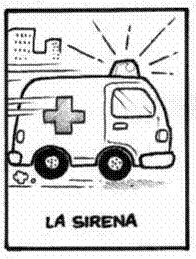
Comparing a few traditional and updated cards from the theme of violence and crime includes El Valiente, La Mano, and La Sirena. Yes, a return to respect for others and for human life, please!

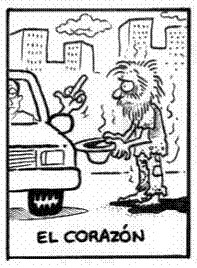
And finally, a couple of traditional and updated cards under the theme of the decay of social values include El Corazón (referencing the rampant poverty, homelessness and street corner begging in this beautiful country) and La Dama, sadly transformed into a table dancer (a different sort of “respect” or “empowerment” for women than the traditional card, for sure).

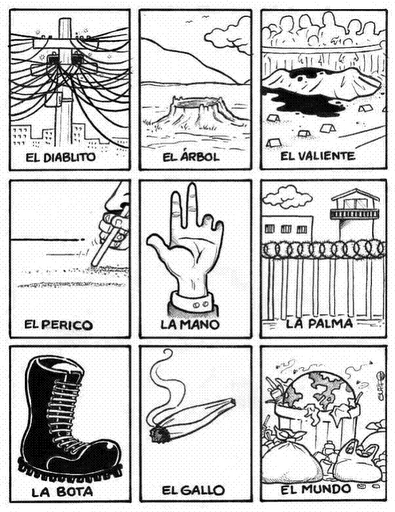
I post here the complete three sets of new cards that I received. In addition to the before-and-after photos above, noteworthy on this first page are La Palma (violence and crime),  El Perico and El Gallo, (drug use).

This second set includes another card about organized crime (Los Pinos, the Mexican “White House”). We also see the new themes of drugging our children in the name of health (La Muerte), and racism (El Negrito), which seems to me to exist in the traditional set as well.

In this third and final set of cards you see a card on immigration and the border “war” with Mexico’s northern neighbor (La Bandera), in addition to a few more related to crime and violence and a couple about alcohol and drugs.

All in all, a VERY strong and up-to-date social commentary, I would say.
 
How Lotería Is Played

You can buy Lotería sets very cheaply in almost any stationary or toy store. They make great gifts. Each player receives at least one tabla (card). Rather than five squares across, as in Bingo, Lotería cards have four images across and four down, for a total of 16 squares on each card. See the traditional Don Clemente images here.

As in Bingo, there is an announcer, in this case called the cantor (singer). The cantor has a deck of 54 cards, each with an image, a name and a number (I’ve never seen the numbers actually used). The images in the deck correspond to those on the tablas. The cantor randomly chooses a card from the deck and announces the drawing’s name or, oftentimes, a corresponding riddle (e.g., “The one who sang to St. Peter won’t sing to him again:” The Rooster) or joke to the players.

Players who have that image on their tabla use beans, bottle caps or other household items to mark the spot, trying to get four in a row: across, down, or diagonally. The first player to get four in a row wins, screaming “Lotería” or “Buena” to indicate their victory.

Well, someone, who I don’t know, has taken the time to update this classic game, making it more in tune with the 21st century.


Rigo Lewis, Maestro De Carnaval

We LOVE Carnavál de Mazatlán, as you know. It is the third largest (and best 🙂 ) in the world. We’ve done several blog posts about the two annual parades (see 2010 parade photos here), as well as the
crownings (this one links to crowning my favorite Banda, El Recodo, King of Joy) and wonderful pre-events.

Carnavál in Mazatlán has some of, if not the best, carrozas alegóricas or floats of any Mardi Gras parade anywhere. And, the man behind most of that has been Maestro Rigoberto Lewis.

This afternoon luck was with us. It’s hot out. We dropped Danny off at Scouts, and we had eaten lunch downtown. We were going to stop by Mati for a paleta. It’s a wonderful, historic ice cream maker here in town.

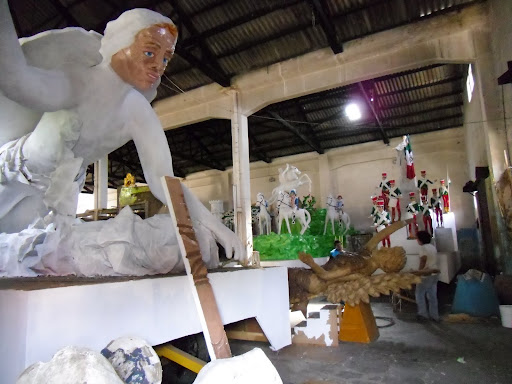
Well, as we got out of the car to walk over to buy our paletas, we noticed a big door open to our right, and, lo and behold, carrozas alegóricas!!! We were so excited! El tallér! But, even better than that, there were a few people putting the finishing touches on the frontispiece of a statue, and who was supervising but… Maestro Lewis!

Maestro Rigo has made the carrozas for over fifty years (he started as a sophomore in high school), as well as designed most of the royal costumes (starting in 1961). He was born during a Carnavál, on February 14. He is a Valentine’s baby, but the fact that he was born during Carnaval has been a much more defining fact of his life.
He very graciously invited us in. We watched them work for a bit, and then he proceeded to tell us a few stories about the plans for next week’s defile carnavalero for Independence Day, as well as his current thoughts about life. He showed us the floats he created originally for Culiacán, but which those of us here in Mazatlán will be fortunate enough to enjoy instead. He allowed Greg to take the picture of him with me that you can see above.

We talked for a while, we watched, we looked around, we went across the street to buy ice cream and bring some back for Maestro Rigo and his workers, and we delighted in our good fortune.

This is a photo of El Maestro that I took as he walked in the Carnavál parade No 1 earlier this year, 2010. I have some great footage of him straightening the queen’s dress as she mounts the float, too. The second parade was marred, unfortunately, by mass panic. The first parade was perfect.

This photo of Maestro Rigoberto is taken from the Carnavál de Mazatlán site.

Some other articles on Rigoberto Lewis and his history of float-making:

El Sol de Mazatlán, 2008
Pacific Pearl, in English, 2001
El Noroeste, 2009

Tejuino: Bebida sagrada

Tejuino is one of the favorite beverages sold here in Mazatlán. It is sold from push carts and in roadside stands. Supposedly it was originally made by the Tarahumara Indians. Very good, icy cold, perfect for our hot humid summers!

Today the Noroeste, our local newspaper, ran an article on Tejuino. Check it out:

Tejuino: Bebida sagrada