Turkish Cooking with a Mexican View


In my last post I told you all how I fell in love with Turkey: her beauty, history, people and blend of cultures. Well, I also loved the food. Succulent, savory lamb, and roasted and raw vegetables in multiple combinations with every meal. I especially loved how the Turks prepared eggplant, or patlican (pronounced “patlijan”).

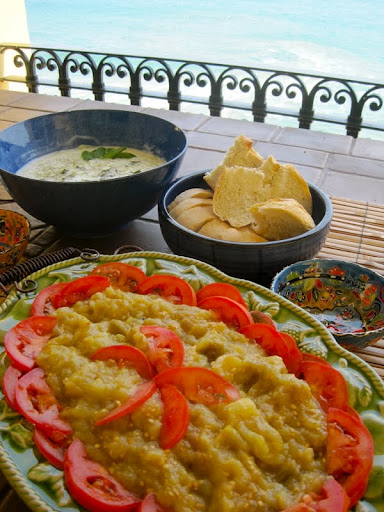
So, I bought Greg a book called “Turkish Cookery,” figuring his real gift would be that I’d try out some of the recipes. Today was my first try. I was of course worried. I’ve never cooked anything Turkish before. But man oh man oh man, was it good! At left is a glimpse of the meal we ate today on our Mexican terrace overlooking the Pacific Ocean.

The weather here in Mazatlán has been very hot and humid. We took a long sweaty walk along the malecón/boardwalk this morning, and I then spent a couple of hours gardening. So, a cool meal sounded best today. Cucumbers are in season here, so first on today’s Turkish menu was cacik (pronounced jajik), yoghurt with cucumbers.

This dish is similar to Indian raita. I’d call it a cucumber-yoghurt salad, though my boys called it “cucumber soup.” I guess it is sort of like a gazpacho. It was easy-peasy to make and I HIGHLY recommend it on a hot day!

Peel, thinly slice and chop 2 large cukes. Sprinkle them with a bit (1 teaspoon or so) of sea salt. Let them sit. Put 500 grams plain yoghurt in a bowl, and with a whisk whip in about 1 cup of water. Add to the yoghurt mixture the salted cucumbers along with a clove of crushed garlic. Stir, and garnish with chopped fresh mint and dill. You can also drizzle a bit of olive oil on top (I didn’t and it still rocked). Be sure to chill this and eat it cold; the flavors really came forth after a couple of hours in the refrigerator. So refreshing!
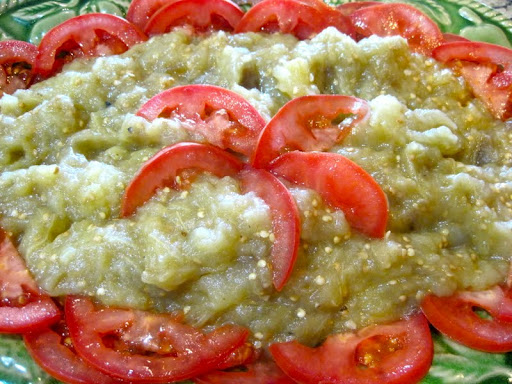
The second dish I made was the one I was really craving: patlican salatasi, or eggplant salad. I ate this dish, or adaptations of this dish, quite a few times during my trip. Every time I’d ask the waiter, my meal mates or friends what the dish was called. Everytime they’d tell me “patlican,” “eggplant.” “Yes, I know it’s eggplant. But what is the name of the dish?” No one seemed to know. The photo in the cookbook looked like the dish I was craving, but what would it taste like????

First step was to mix the juice of one lemon with 1/2 cup of olive oil.
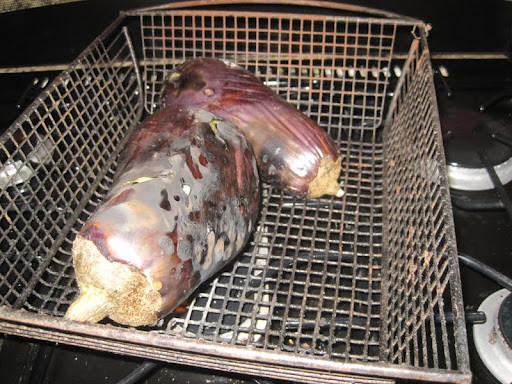
Then, just like in Japan, this recipe required that I roast the whole eggplants over an open flame, till the inside becomes tender and the outer skin becomes charred, then hold under cold running water for a few seconds before peeling off the skin. In Japanese cooking I absolutely love eggplant roasted in this fashion, and my taste proves consistent for Turkish cooking as well, evidently. After peeling the roasted eggplants (I roasted 3 big ones), you put them in a bowl and mash them up with a fork. I also used two knives like pastry knives to make sure all the pulp was cut and easy to eat.

Into the mashed roasted eggplant I dumped the oil/lemon juice, added a tablespoon of balsamic vinegar, and a couple of cloves of minced garlic (the garlic wasn’t called for in the recipe, but hey, we love the stuff). I garnished the plate with sliced tomatoes (the recipe said to also garnish with onion, green pepper and olives), and we ate the roasted eggplant salad with French bread. Mmmmmm! Definitely a hit!

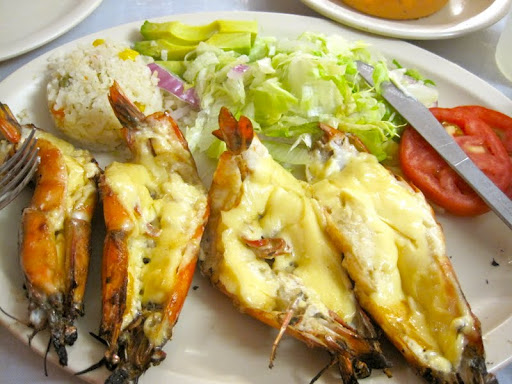
As long as I was roasting on top of the stove (too much work to start the grill, I guess, or maybe I just like that grill to be Greg’s territory), I figured I might as well roast the shrimp we had for lunch as well. After grilling I drizzled these with a bit of sesame oil and a bit of homemade aioli.
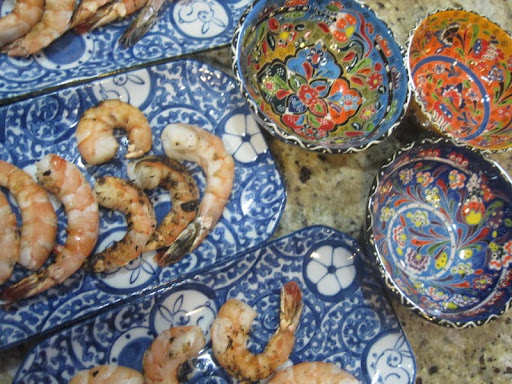
What to serve all this in? While in Turkey I bought a few Kütahya bowls, underglazed and handpainted. You can see them in the photo at left, the bowls to the right of my Japanese plates. The Kütahya remind me of our Mexican Talavera, don’t you think? In the same way as Talavera, Kütahya painting varies widely quality-wise (and price-wise!).
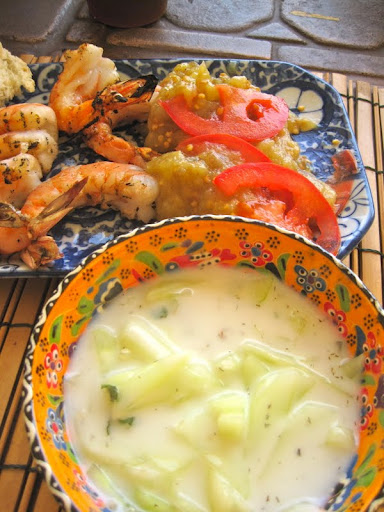
Here is a close-up of some of the food. Afiyet olsun!!! (Bon apetit!)

And here is a photo of one of the handsome men who lunched with me, a new convert to the joys of Turkish food 🙂

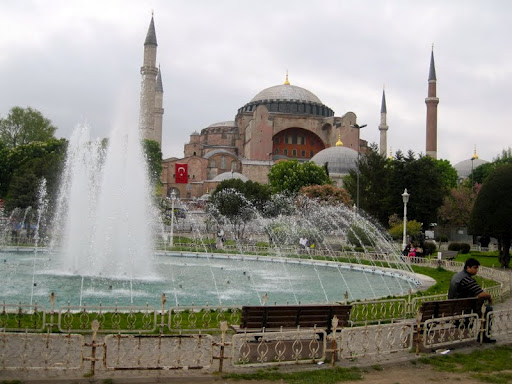
 

Turkey Trip: Istanbul and Capadoccia, May 2011

It has been a lifelong dream of mine to travel to Turkey. The home of so many civilizations all in one place, the intersection of European and Asian cultures, the architecture, food, people, handicrafts. Highest on my list were visiting Aya Sofia in Istanbul, and hiking amongst the fairy chimneys of Capadoccia, which I’d first seen in National Geographic as a child.

As luck would have it, two of our Cultural Detective authors decided to conduct a facilitator certification workshop in Istanbul, sponsored by our professional association, SIETAR Europa. And I had the blessed privilege to facilitate the course. It was held in an absolutely beautiful venue called Cezayir, the former Italian trade union building, off Itsiklal Cadessi in Istanbul. We lunched each day in the garden restaurant, and had a view of the Marmara Sea and the Bosphorous that was incredible. The participant group was very talented, experienced, and diverse. We had a terrific time and I believe everyone learned a lot and improved their skills. Click the slideshow below if you’d like to see the Cultural Detective workshop participants and the venue, or keep reading below for more on the sights and sounds of Turkey.

And, fortunately for me, I had two free days in Istanbul before the training, a partial one after, and two full days to tour Capadoccia before returning home. In a place so rich with experiences to savor and places to visit, these five and a half days were only a meze/appetizer, but they were surely an awesomely good one!

I have so very many photos that I felt the best way to show them to you would be in the form of a few slide shows. I have set the slide shows to some traditional Turkish folk music. Please pour yourself a cup of chay/tea or Turkish coffee, or Capadoccian wine, and enjoy!

The slideshow below, includes photos of Istanbul:

  • Galata Tower
  • New Mosque
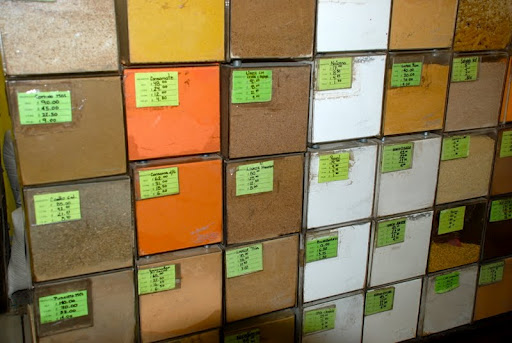
  • Spice Market/Egyptian Market
  • Train Station/Oriental Express
  • Rüstempasa Mosque
  • Süleyimanye Mosque
  • The Grand Bazaar
  • Basilica Cistern
  • Aya/Haggia Sofia
  • The Blue/Sultan Ahmet Mosque
  • Tünel
  • Itsiklal Street
  • Topkapi Palace and Harem
  • Turkish Handicraft Center
  • Istanbul Handicraft Center
  • Bosphorous Boat Cruise
  • Military Officer College
  • Maiden’s Tower


My trip to Capadoccia included a hot air balloon ride over the region, extensive hiking, and a private tour by automobile that included an underground city and a gorgeous thermal hot spring. The Capadoccia/Kapadokya slide show is below:

  • Hot Air Balloon Tour
  • Göreme Open Air Museum, including Dark Church
  • Anatolia Cave Pension
  • Rose Valley
  • Red Valley
  • Love Valley
  • Pigeon Valley
  • Fairy Chimneys
  • Çevusin
  • Avanos
  • Kaymakli Underground City
  • Uchisar
  • Turasan Winery
  • National Rug Weaving Cooperative
  • Bayramhaci  Hot Spring
  • Göreme Village


We of course live in the land of hand painted tile work, Mexico. With that existing love, it was quite easy for me to absolutely fall in love with the tile work in Turkey. OMG I saw UNBELIEVABLE tiles! Below is a slideshow of some of the tilework.

As you saw above in the Capadoccia slide show, I took a hot air balloon ride. It was an incredible experience. I will post a few videos here if you’d like to take a look. The first one is taking off in the balloon.

The second clip shows the pilot of our balloon as well as a shot of the fire shooting up into the balloon to take us higher. It was awfully warm when that torch was blowing!

The third one is a short clip of the people in our balloon. There were loads of large tour groups, and it seemed that anyone traveling alone or in pairs was kept aside and made into a “group” for the ride. Interestingly, we all ended up being women, and we were from all over: Japan, Singapore, UK and Mexico. We called ourselves the “beautiful girls’ club.” Take a look.

The fourth video clip is of our high-tech landing. The crew, these guys landing us, were all terrific fun. And it was just hysterical to watch them pulling and running, over hill and dale, getting pulled through trees, in their quest to land our balloon.

My final video clip is of me opening a petori kebap for dinner in Göreme with my tour guide and the waiter.

Please let me know what you think! It’s always nice to know someone’s is reading/looking.

Desfile Semana de la Moto 2011 / MotoWeek Parade

This is our third Moto Week parade. It was much lower key than other years–fewer people, less organized. The parade lasted at least two hours. We LOVED it. Time to sit back in our chairs, sip a soda or beer, look out over the ocean and the incredible sky, and thank God that we are able to live in Mazatlán, amidst so many fun-loving people.

There are lots of photos in this album (130 or so). It’s really fun. So, please, pour yourself a cup of something, sit back, and enjoy… Join us next year!

Travelogue Spring Break 2011, Day 12: Espinazo del Diablo/Devil’s Backbone

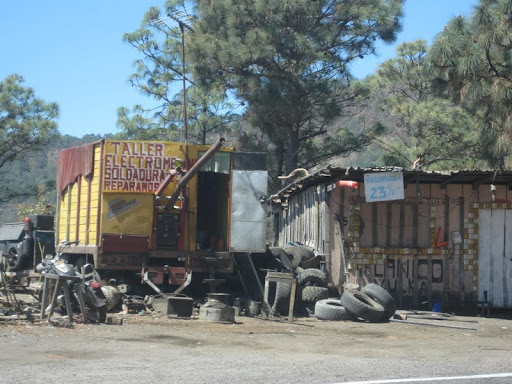
The road between Mazatlán and Durango (Highway 40) is called “Espinazo del Diablo”, or “Devil’s Backbone,” due to its steep incline, hairpin turns, and sheer drop offs. Originally this spring break trip we had intended to leave Mazatlán and go over the Devil’s Backbone through Durango to Zacatecas. It’s only about 180 miles/300 km, not so far. But, it takes at least five hours, and some have even reported it taking ten hours! Many of our local friends convinced us that we should not do that because it was far too dangerous. Instead, our friends recommended we go around, through Guadalajara, making a big southern circle to get to Zacatecas. We followed advice and were happy we did. Our roundabout route enabled us to spend a few days in Guanajuato.

We intended to return the same route on the way home. Thanks to our friends’ advice, we were now scared about traveling over the reported 3800 curves of the Devil’s Backbone. But, who wants to retrace their steps? We wanted to see new territory, and we’d heard that the drive through the Sierras via Durango was gorgeous. Durango is a city fairly close to Mazatlán, with others being Culiacan or Guadalajara. There are not a lot of big cities nearby our home, and sometimes one craves a city.

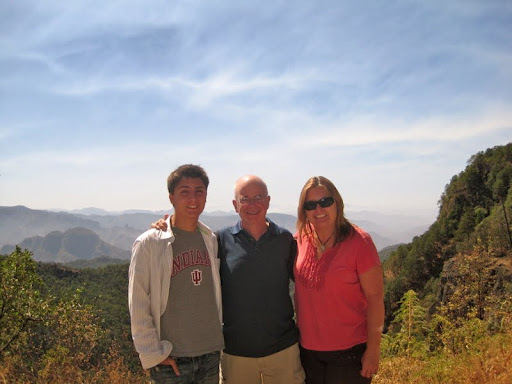
What we found today was a gorgeous drive with a much-improved roadway, and some fortunately very responsible drivers. While I wouldn’t want to make this drive often, I would definitely make it again. Neither Greg nor I felt it any worse than the drive to Tahoe or down Cañada Road on the SF Peninsula (N CA), or Oak Creek Canyon in AZ where I grew up. It is, however, much much longer.
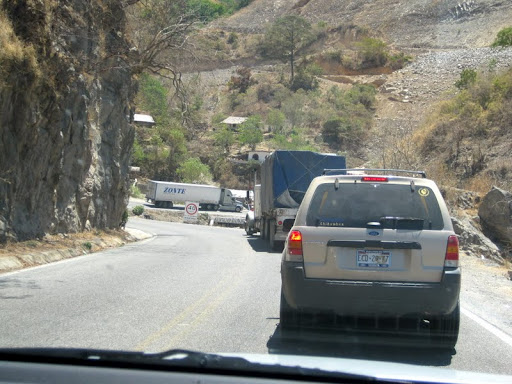
We left Durango about 9 am and arrived in Mazatlán about 3:00, with stops for breakfast and lunch on the way, as well as losing one hour to the time change. That means about a 5 hour drive from Durango to Mazatlán for us today. Over the curves we averaged 30 mph, but when we were stuck behind trucks or a line of cars we frequently progressed at 2 or 5 mph. It is definitely slow going!

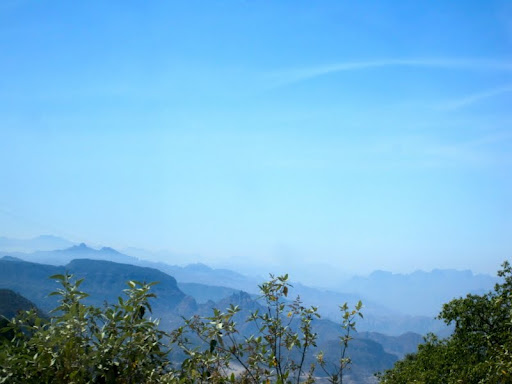
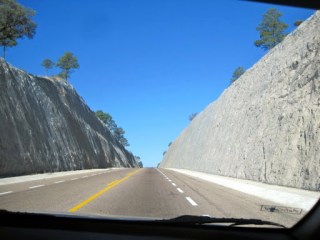
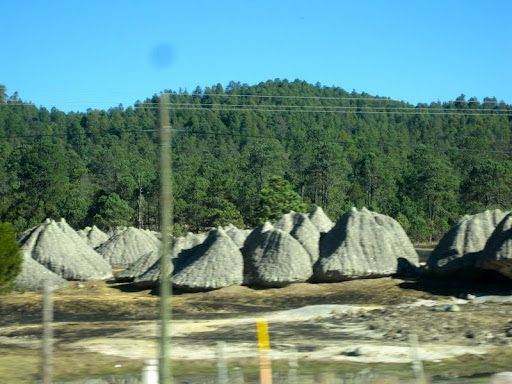
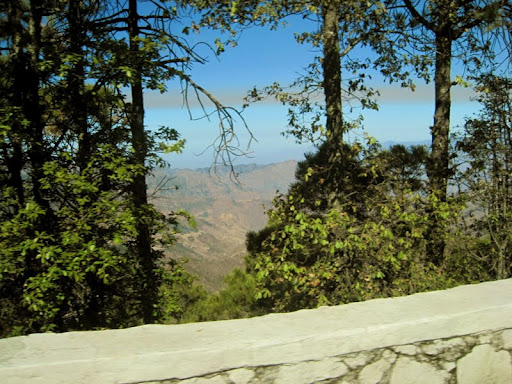
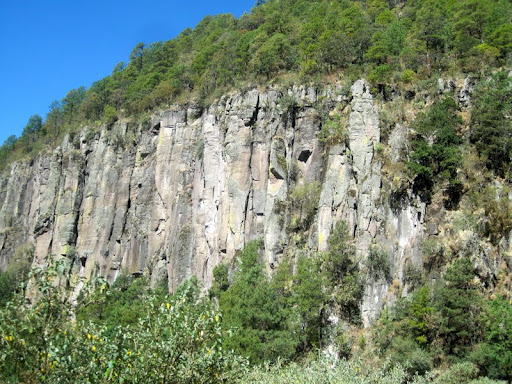
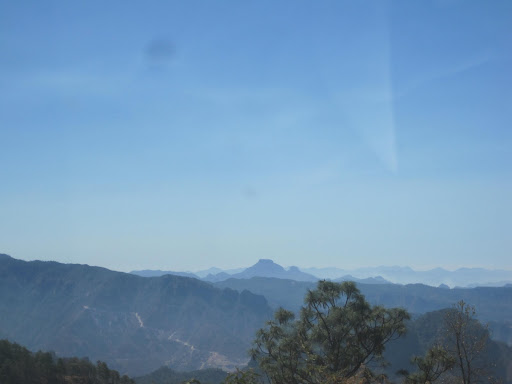
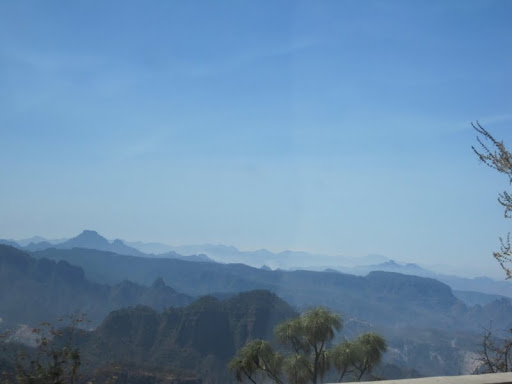
The new portion of the road that is open is terrific—two lanes each way, flat and smooth, clearly marked. The scenery along the route is terrific, with some unusual rock formations and incredible vistas.

John Wayne’s ranch is along this route, as are a couple of national parks, some nature preserves, and several places to rent cabañas. Come summer I think it would be fun to go up there, rent a cabaña, and spend a few days sniffing the pine trees, hiking and mountain biking. It was wonderful to smell pine in the fresh air and to feel the nearly-freezing temperatures of the sunny morning. The highest point, we’ve been told, is 1890 meters/6200 feet, less than Flagstaff AZ where I grew up, and far less than Conifer CO where Danny grew up.

Once the new cuota ended the free road was two lane, with oncoming traffic. The actual “Espinazo del Diablo” or “Devil’s Backbone” of hairpin turns and steep drop offs is only a portion of the road between Durango and Mazatlán, a 2-3 hour portion depending on which big slow trucks you get behind and how kind they are to pull to the right when you want to pass. Greg and I felt it was not nearly as bad a drive as we had been led to believe. With the new highway, it should be great. There were guardrails in most of the places that needed guardrails, something others had mentioned as making this drive so dangerous. Our guess is the rails have been recently installed. The biggest danger is closer to the Mazatlán side, nearing Copala, where the road, at least today, was still two lane and had absolutely no shoulder. If you happen to be making a hairpin curve while some crazy person is passing in oncoming traffic, there is not much you can do. Fortunately, today we only had two small instances, both very manageable. So, as of now we’ve overcome our fear of the Devil’s Spine.
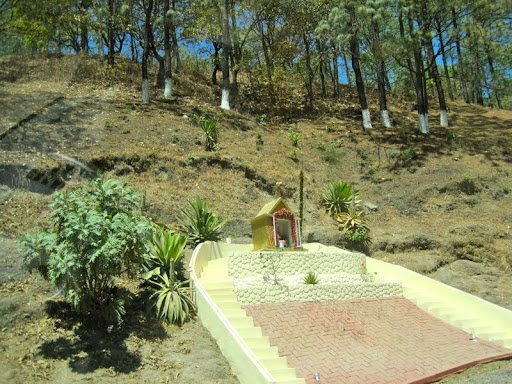
There were lots of cows and horses by the side of the road, free range, and we saw some turkeys as well. It was a very scenic drive. Unfortunately we also saw loads of roadside shrines, dedicated to people who had been killed in car accidents.

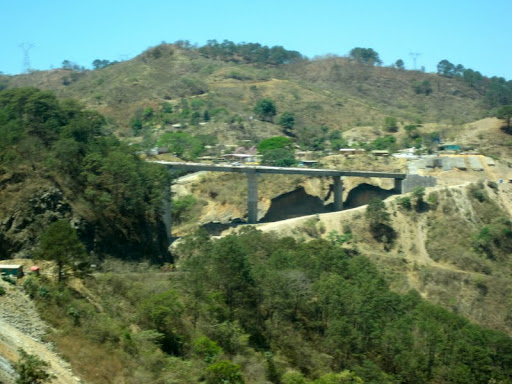
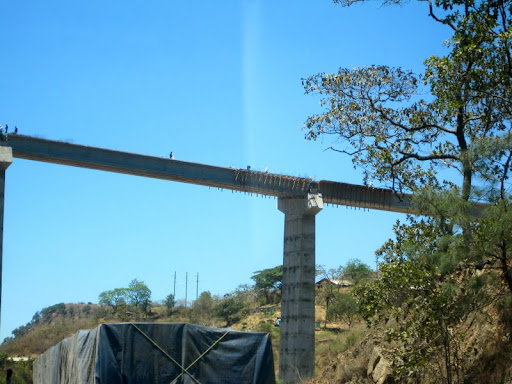
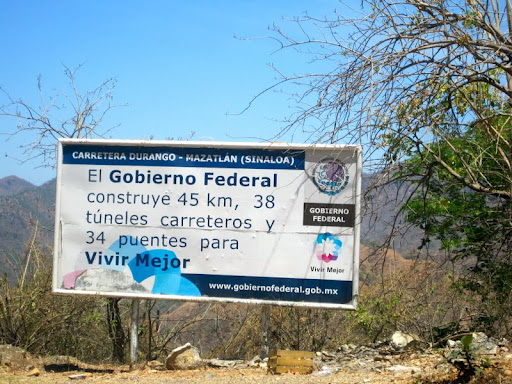
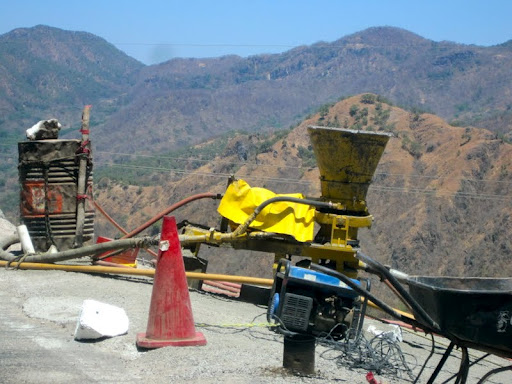
Along the way are many construction sites. Information on the signs varies, but a website for the project indicates that the new road is going to include 63 tunnels along with 8 bridges over 300 feet in length and an assortment of smaller bridges. Along the way there are many makeshift towns that seemed to have arisen so that the road/bridge workers can have somewhere to live. Please visit the website to get a better understanding of the engineering challenge in making this drive safer, quicker and easier.
The workers work in incredibly dangerous-looking conditions, with steep drop offs and no safety equipment from what we could see.
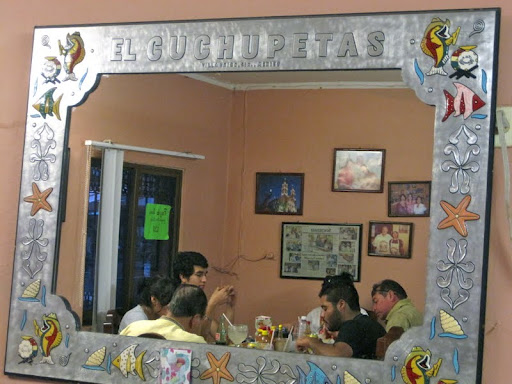
We had our last meal of this spring break holiday together in Villa Unión at Cuchupeta’s, a place we’ve long been planning to visit. We were not disappointed.

Travelogue Spring Break 2011, Day 11: Durango

After a leisurely breakfast in the hotel and a rather unsavory check-out process, we left for Durango, arriving about 3:00. We found a great room with two double beds, a kitchenette and sofa for 350 pesos, right in El Centro Histórico—Hotel Durango. They also had really affordable cenas, breakfasts and room service, though we didn’t try any.

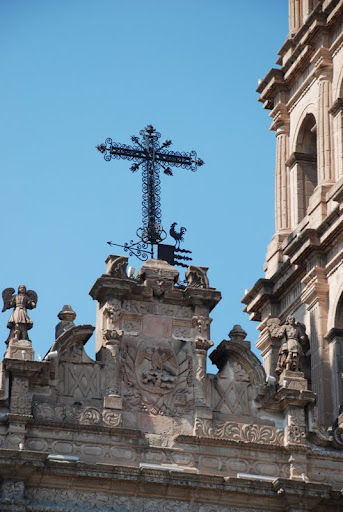
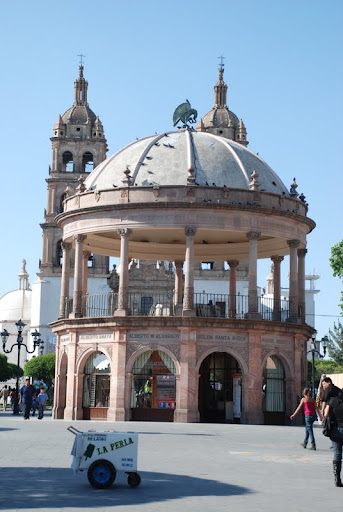
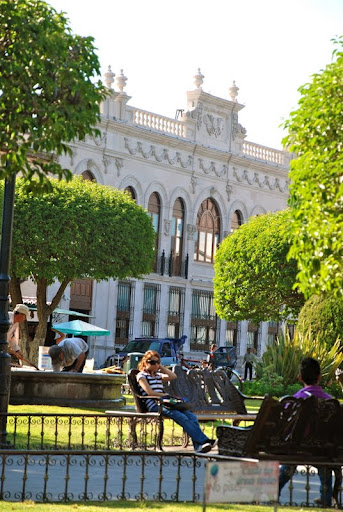
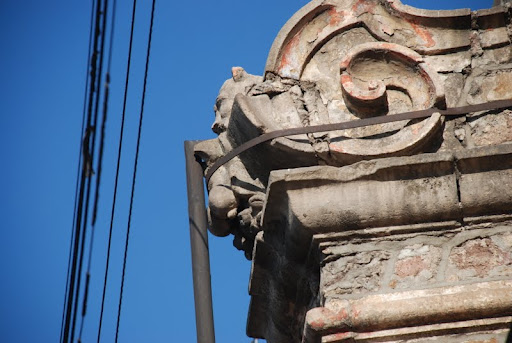
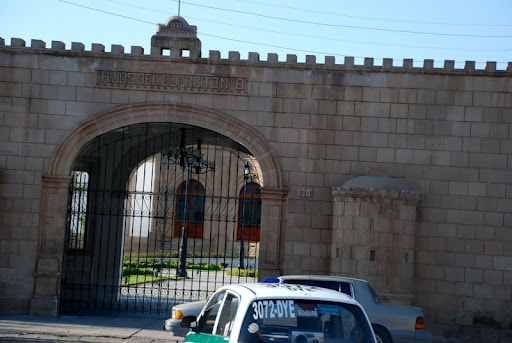
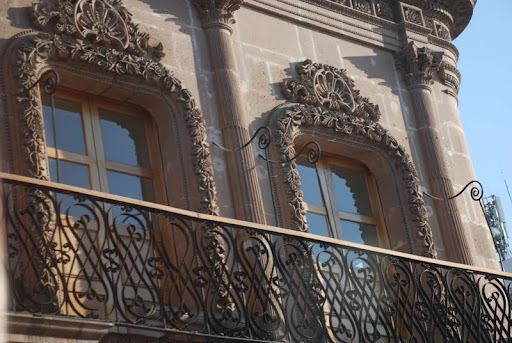
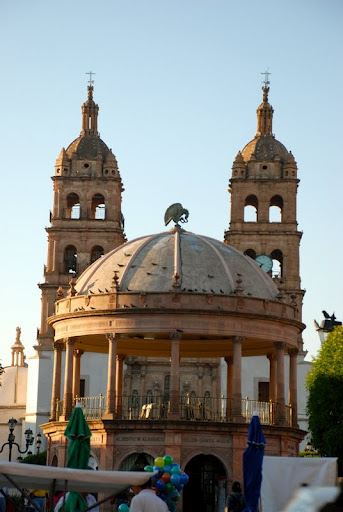
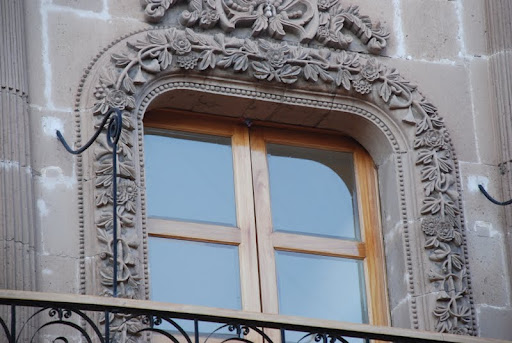
We took a walk around. The architecture was really pretty cool, and it was nice to know there is another fairly major city not so very far from home; will be much closer once the new highway opens.

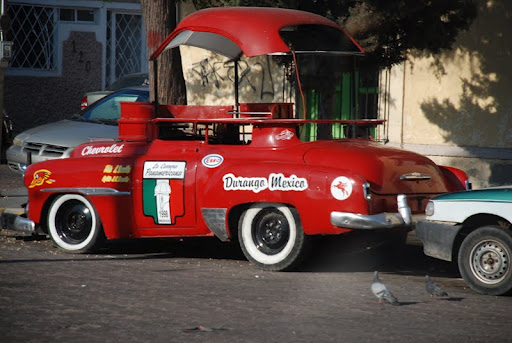
The city was putting on free 45-minute trolley car tours. That means that some of these photos are taken through the glare of window glass, but they’ll give you an idea of what Durango looks like if you haven’t been there.

Tip: if you don’t like pizza with hot dogs on top and a crust made of pie crust, don’t eat at Coreleone’s. If you like “distinctive” pizza, get right over there. It’s on the gorgeous pedestrian street in the center of town.