
 I first saw this post back in January and passed it on via Facebook. Today it has circled around again. While I don’t usually do reposts here, this article rings so very true for me. I don’t know Whitney Cox, but she’s captured the topic very well. Enjoy!
Category Archives: Expat Kids and Family
Teenage Transitions
 Parents are thrilled by the major milestones of our children’s first year: their first smile, that first tooth, their first words and steps. The joy of such experiences is etched into our memories. As the years go by, these major milestones seem to get fewer and farther between. Until, that is, they’re teenagers, and the milestones somehow seem to speed up again: trips without parents, time alone without the family, that first kiss…
Teenage transitions are filled with joy much like those of baby- and toddlerhood, yet not quite so purely or simply, at least for me. That first driver’s license, for example, was cause for pride. Our son was growing up, becoming independent. Hooray! But the pure joy is mixed with worry for his safety, hope that he’ll make good decisions to go with this new responsibility. Same goes for that first job, first girlfriend, first scholarship—joy for sure, accompanied with a mix of hope and prayer about how our kid will handle these independent ventures for the first time.
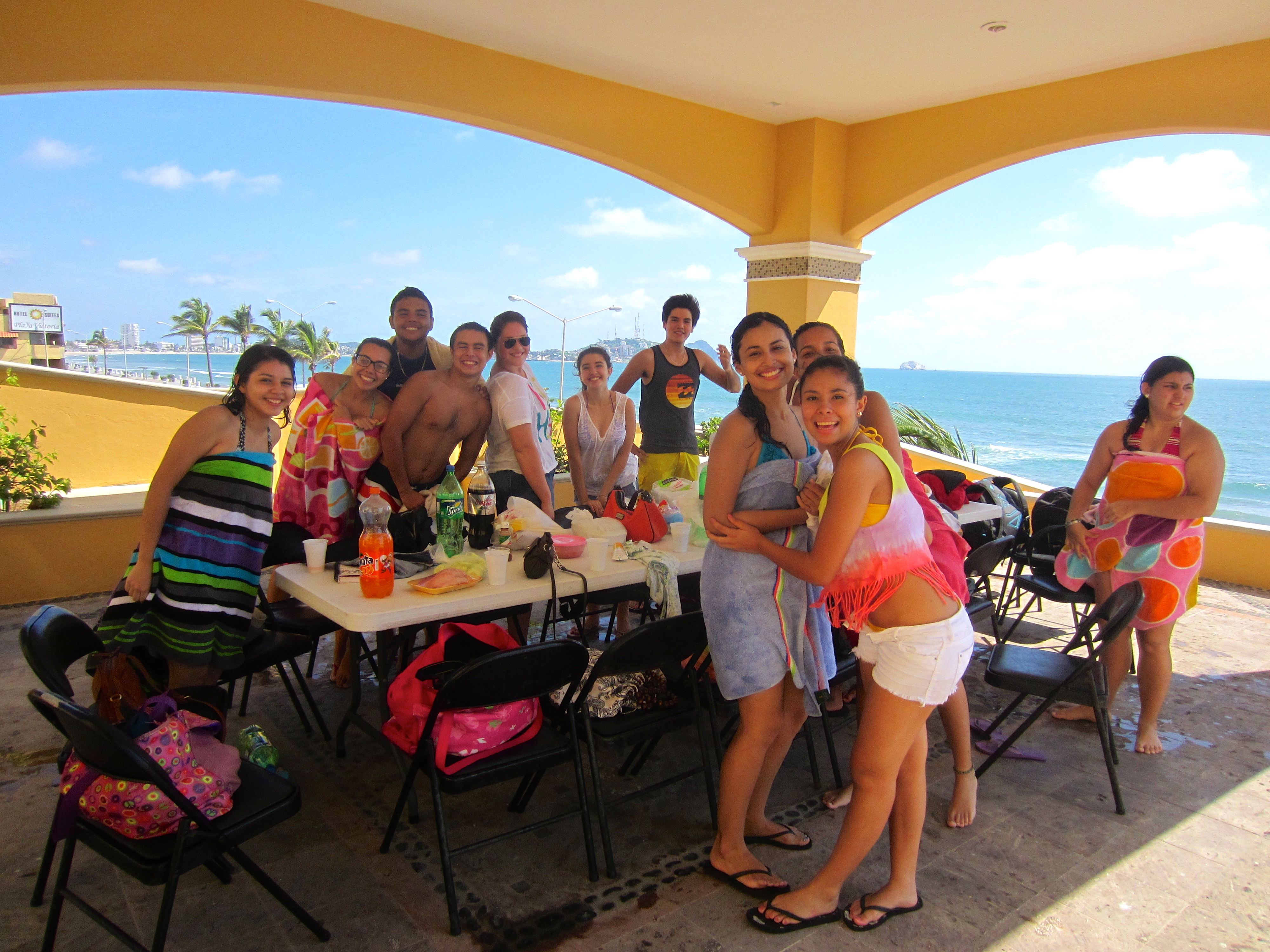 One major teenage transition that I almost failed to record in the hectic-ness of life has happened just in the past month. Parents, you remember all those childhood birthday parties we planned for our kids? All the care, the love, the time, effort and expense?
I wrote a post about party planning in Mexico, and another about one of the challenges of teenage parties, for example. Well, I suddenly realized that in the last month, my kid and his friends have transitioned to become capable, independent party planners.
It started well over a year ago, that groups of 15-25 of them would get together somewhere without parental involvement. Ok, maybe the girls started earlier, but the boys organizing things, that’s more recent. Usually there was no food, no music, no plan.
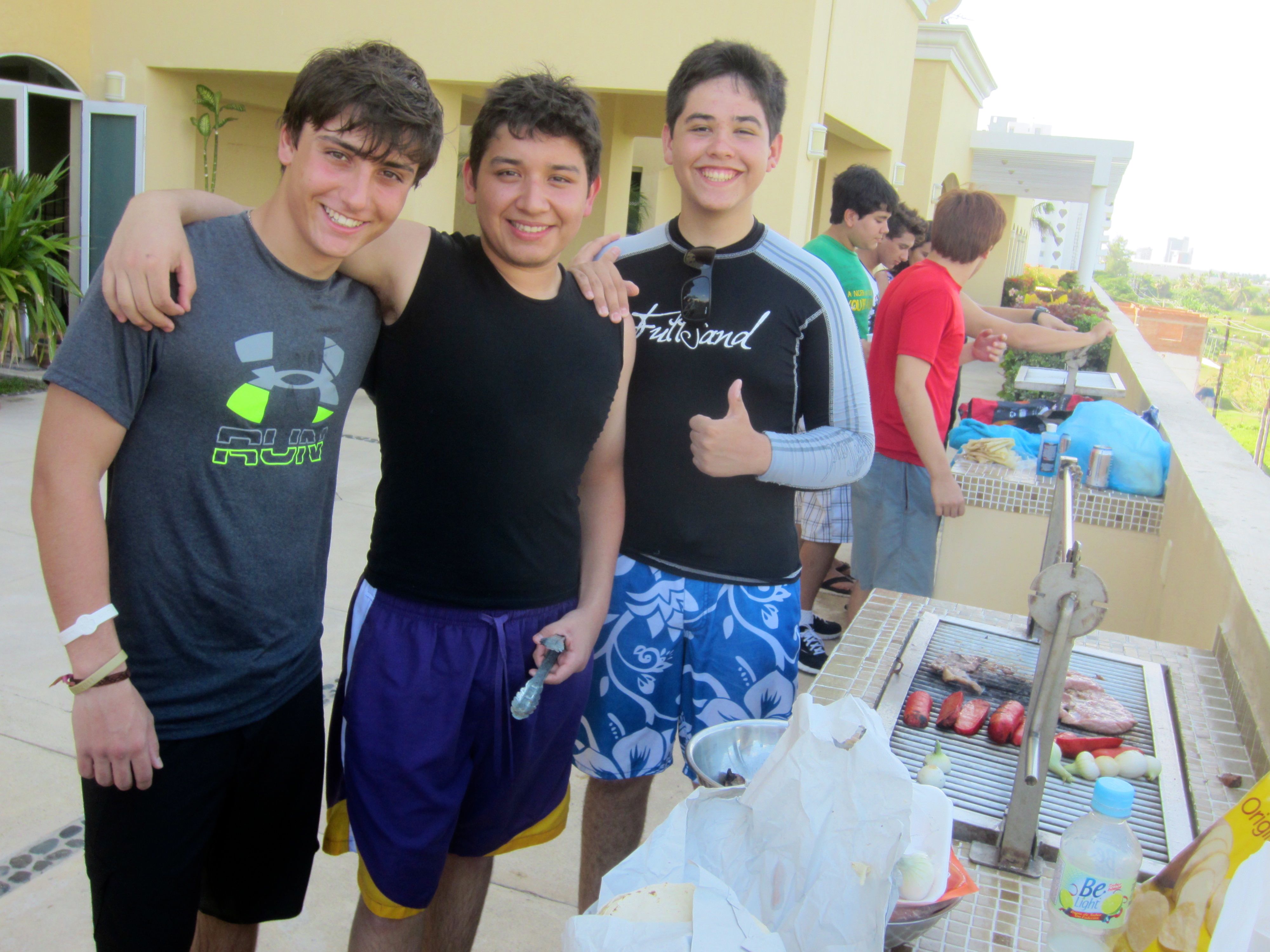
 But, just this past month, Danny and his friends have had at least four parties at our pool, and they have (on their own) made carne asada with grilled onions and salchichas. They have sodas, tortillas, and chips. The paper ware (forks, plates, cups) still comes from our house, but hopefully it’ll evolve, too.
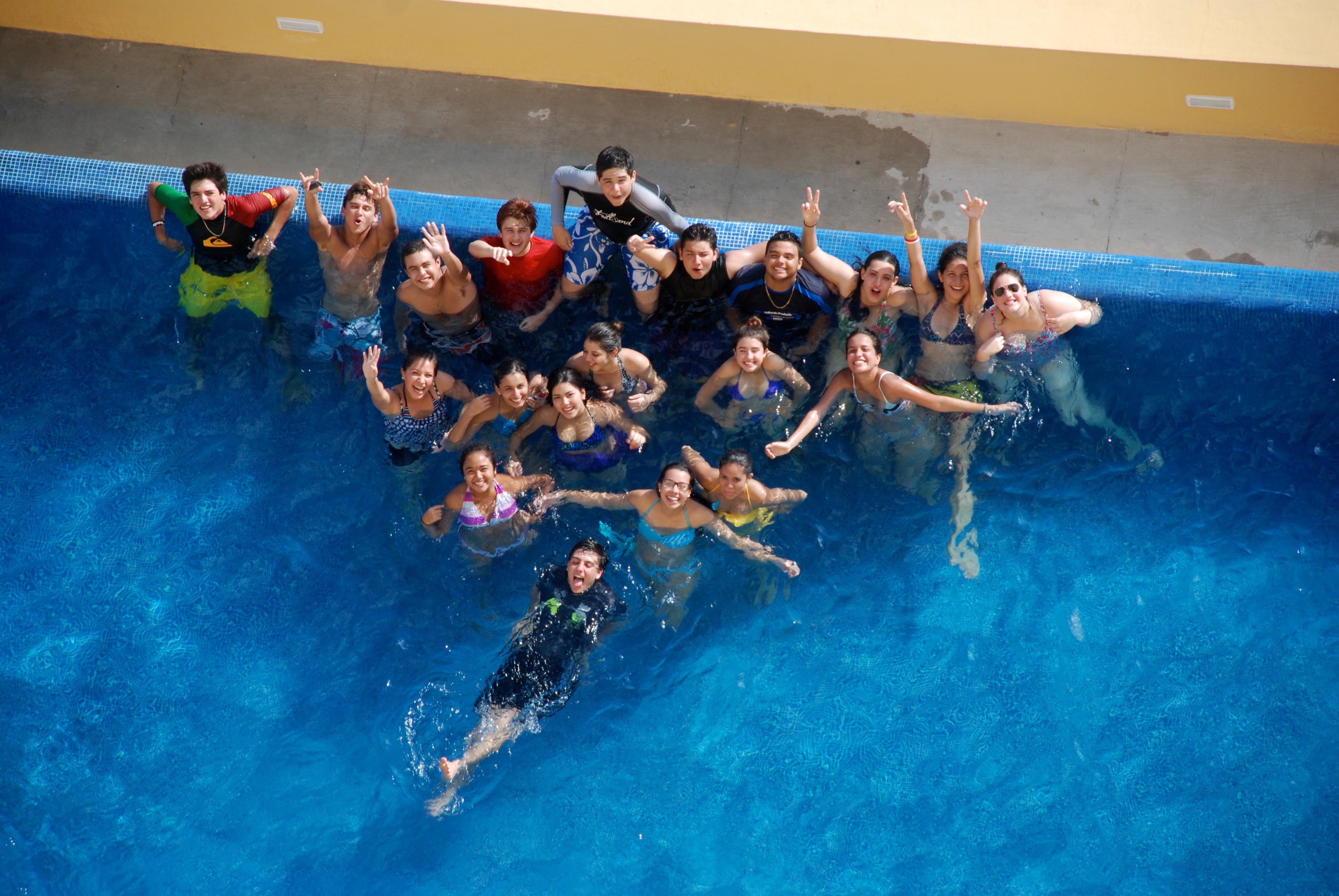
They collect 30 pesos from each kid, a few of them go shopping, a few of them volunteer to “man the grill,” and they spend 10 am – 10 pm in that pool. I haven’t quite figured out how they don’t prunify or turn into fish, but I do know they are enjoying things. The biggest challenge seems to be, as with any teenage party, limiting the number of people that show up. If you invite 10, 30 seem to come. And once they arrive, they text others. I guess they’re learning and figuring it out.
And, fortunately, they do seem to pick up after themselves; they’ve thus far brought all my borrowed kitchen utensils and spices back safely, and the next day Danny has washed the dishes.
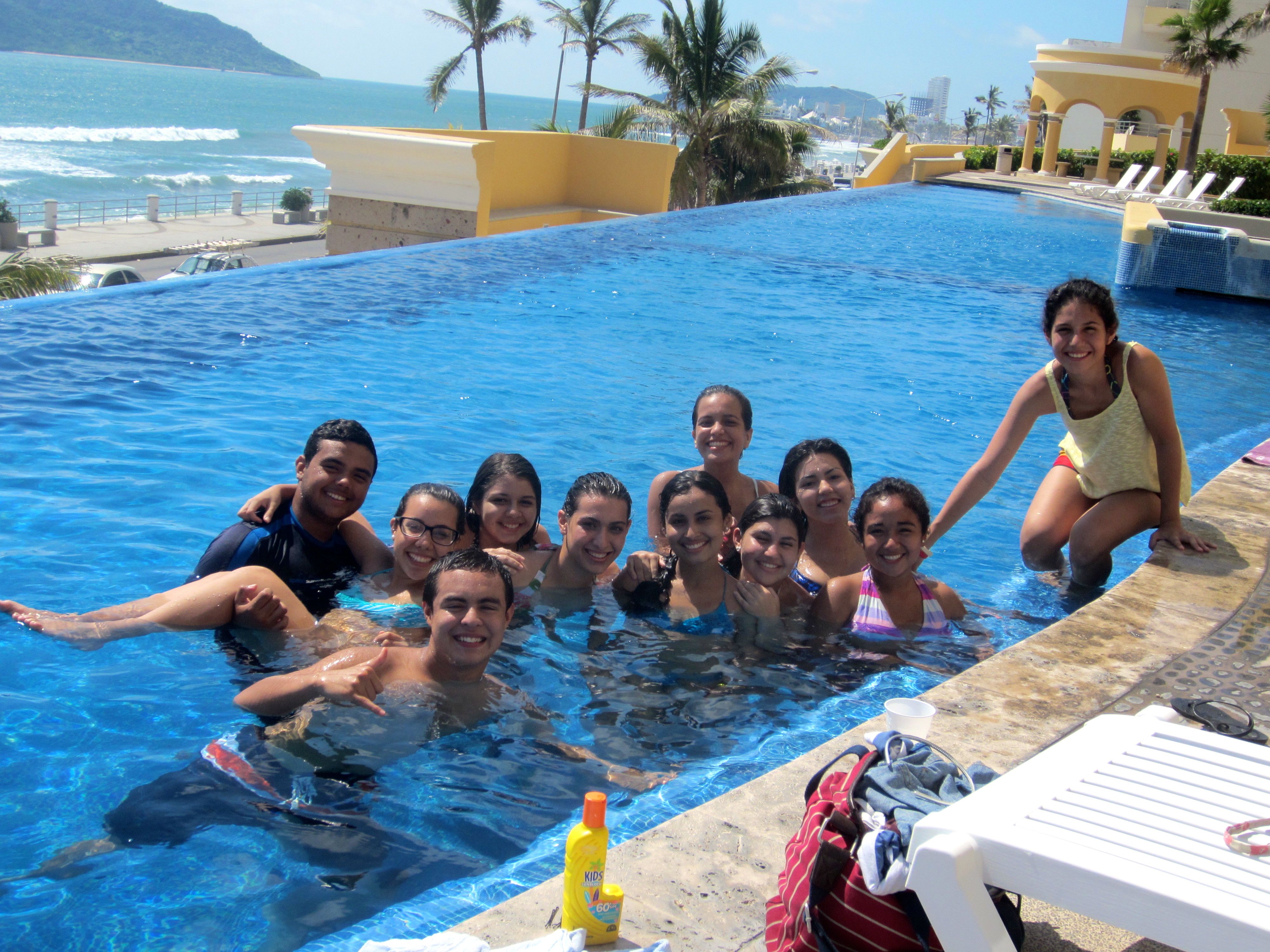 He’s walking, folks! ;D God bless healthy kids! God bless good friends! And, a swimming pool on a hot day!
An "Aha!" into Mexican Culture

Agreeing on a time to meet and then having the other person show up late. Very late, at least by the clock. Or perhaps they don’t show up at all. You call the person. “Oops; plans changed. Can’t meet.”
Every expatriate living in Mexico knows that locals and expats often have very different orientations to time. It’s Mexican Culture 101. But knowing the difference, expecting the difference, doesn’t necessarily make it less frustrating when you’re living it on a daily basis.
Live and learn. That’s, hopefully, the story of life and most definitely the story of living abroad—a new adventure every day. We have sure learned a lot about Mexican and Mazatleco culture in the past four years of living here.
One of the learnings we’ve had that has really stood out for me this week is something I call “auto-protectivos” or “self-protectiveness.” In my day job I run a collaborative project in which we publish materials and a method for collaborating across cultures. I remember talking at length with my good friend, Rossana, co-author of Cultural Detective Mexico, after we first moved here. I told her that in my experience with Mexicans I didn’t really “get” the value she writes about called auto-protectivos. At the time she gave me lots of examples and talked me through it. It made sense. But I can’t recall what she taught me. I suppose I was not yet ready for it. I kept thinking, “but most Mexicans are very inclusive and welcoming. They’re not self-protective,” which I somehow saw as exclusionary.
On a very separate train of thought, I have repeatedly marveled at how Mexicans (or at least Mazatlecos) lack consideration for others. Please remember that I lived for years in Japan, the land of consideration for others. Any culture seems lacking in consideration compared to that. I’ve never felt locals here in Mexico lack consideration in a deep sense, as they are very loving people by and large. But in a superficial sense, more like: do they scoot down on a bench to make room for you to sit down or do you need to ask them? Or do they serve themselves food at a buffet without thinking about leaving some for those following them in line, that sort of thing.
Well, it turns out these two very different things — self-protection and my perception of lack of consideration — are actually very interrelated. I’ve finally developed my own “sense” around what this value that Rossana so kindly taught me means. It is fascinating how the learning comes in waves when you live overseas.
Let me share with you a few examples, from our experience, of when local friends have behaved (or we should have behaved) in a self-protective way, and how that relates to a possible outsider perception of lack of consideration for others:
- Yesterday, Greg and his compadre showed up at Sergio’s (another buddy’s) house at about 5:00 in the afternoon on a Friday, unannounced. Sergio greeted them in sweat pants and an undershirt. He got them plastic chairs and a beer and set them out in the shade of the street. He told them he’d be right back, and went inside to shower. We can’t imagine this happening in the States. If friends were to show up at my house unannounced, I might take a couple of minutes to change my blouse or to freshen my hair or face, but I’d sit down with my guests right away. But here the “wait while I bathe or finish what I’m doing” happens all the time, in our experience. While in the beginning I’d feel guilty for disturbing someone (“I should have called so they could have been ready”), I am now able to see their reaction as very functional auto-protectivo behavior. Sergio needed to bathe. He was happy to see his friends. He knew he’d be more comfortable if he were clean and refreshed, and he knew they would wait. They were comfortable. He was comfortable. All was well. No stress.
- Example two: Also yesterday, Danny had an event with a friend. He had another meeting with a second friend scheduled after the first. He was really excited about the first meeting. He wanted to make the second meeting, but more out of a desire to help a friend in need, more out of obligation. Well, at lunch we reminded Danny, who is by now quite bicultural but very responsible about his commitments to friends, “If you are having a great time this afternoon, don’t let the clock regulate you. Just call your other friend and tell him you’re running late. Take the time to enjoy yourself with your friend in the afternoon.” Well, sure enough, Danny did have a great time in the afternoon. When he called the second friend to tell him he’d be latE, the friend told him that oh, by the way, he’d have to cancel after all, because plans had changed. All was well. Everyone was happy. No worries. Four years ago, Danny would have ended his afternoon fun, arrived at the meeting spot on time by the clock for his second friend, had his friend not show, and then feel bad that he’d been blown off. It does strike me that this “self-protection” or taking care of yourself is actually a really healthy thing that a lot of gringos can learn from.
- Example three: We have a very good friend who is very handy. We often hire him to fix things for us around the house. He’s a compadre, so we’ve been all over the hora mexicana or hora gringa thing over the years. We both know cultures are different, and we know we are who we are. This morning our friend was due to come to our house at 10 am to fix an air conditioning thermostat that had gone bad. Greg and I needed to run a few errands. I said, “let’s go run them. Call him and let him know you’ll be back by 10:30. That way we can get our stuff done and still be on time by the Mexican clock.” “No,” Greg said, “I want to wait for him.” We talked it over. We decided that most probably he would arrive later than the appointed time, and we needed to take care of our own needs. If he arrived while we were out, he would call us or wait for us. So, we ran our errands. Got home about 10:45. Our friend had not come while we were out. When he did arrive just prior to noon, we were not at all inconvenienced. We had gotten done in the morning what we needed to get done. We had not inconvenienced ourselves, and we were happy to see our friend.
By exercising self-protectiveness in this cultural milieu, we don’t find ourselves getting upset at having waited, and we are able to take care of ourselves. It’s a very workable way of doing things. Importing some foreign concept of time or consideration of others just doesn’t bring joy or value to life here. We all have to find our own way, and acculturation is an ongoing process. We sure are enjoying the journey!

Update on Bicycling in Mazatlán
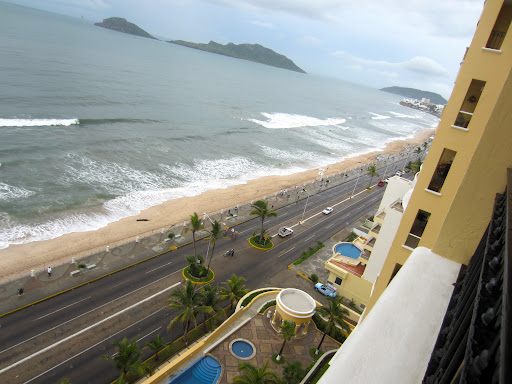
In June I wrote a post updating everyone in English about the planning for ciclovías/bike paths in town and the CicloNoches/night bike tours in this gorgeous port of ours.

I’m very happy to report that since that post, the city has joined so many other cities in Mexico and abroad, and has begun closing the southbound lanes of Avenida del Mar on Sunday mornings. Today was the second such Sunday.
Last week, opening week, we were joined by Governor Malova and Mayor Higuera, as can be seen in the video above.
The road is closed from Insurgentes to Monos Bichis, the Fishermen’s Monument. It gets closed about 8 am (though they’ve announced it’s from 6 am), and stays closed until about 10:30 or 11 am (though, again, it’s announced to stay closed till noon). Southbound traffic is routed to one lane, as is northbound traffic, both using the inland side of the Avenue. Thus, drivers are able to continue using the Avenida, and the bikers, skaters and skateboarders are safe in the oceanside lanes.
This is a wonderful chance to get out with the whole family, or with your friends and neighbors. Please take advantage of it! We definitely want to show the city how important this privilege is to us by having a good turnout. Hopefully this practice will continue long enough for citizens to learn about it and develop the habit of Sunday morning cycling, though we weren’t that lucky last time.

Something wonderful this morning was that police were loaning out, free of charge, 80 beautiful bicycles for people to use! Those wanting to borrow a bicycle were asked to leave their credenciál or identification card, in order to ensure they’d return the bike.
Regarding CicloNoches, they are now scheduled for the first Thursday of every month. September 6 will be the third such event. Meet in front of the Aquarium at 7:30 pm, for an 8:00 pm start. The plan this time is to ride down to the Escudo/the shield down in Olas Altas and back. It is a wonderful feeling pedaling the Avenida del Mar in the dark, looking out at the lights around the bay.

As in prior events, the road will not be closed for this event, but we should have a police escort and a wonderful turnout. We will be guided by a leader, and will be asked to stay only in the rightmost lane of the Avenida. You can see the rules here in the photo at the left. This is a group event, so participants are asked not to pass each other and not to go out into the left-hand lane, in order to protect everyone’s safety and enjoyment, and ensure that drivers can get by smoothly.

Primera CicloNoche Mazatlán/First Mazatlán Bicycle Night
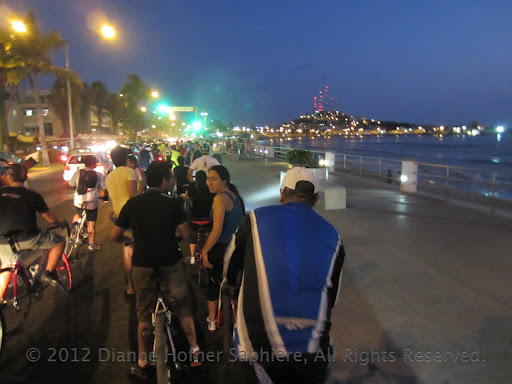
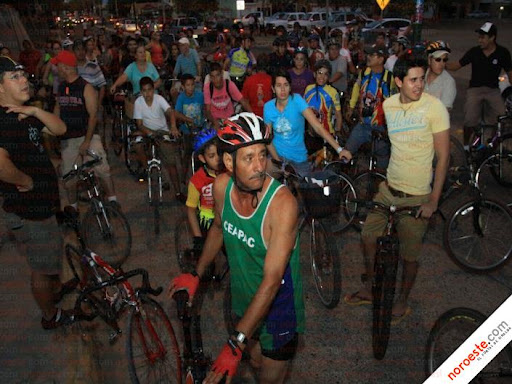
180 bicyclists showed up this evening at 8:00 pm for the very first CicloNoche Mazatlán!
We pedaled only about seven kilometers, but oh was it gorgeous!

The event was organized by SEMARNAT—Secretaria de Medio Ambiente y Recursos Naturales (Brenda Garcia) and CiclosUrbanos, who have been coordinating Cycle Nights in Culiacán since 2009.
Starting at the Aquarium, we pedaled south on Avenida del Mar to Belisario Dominguez, then turned up the road, around the block, and back down to Avenida del Mar. We were escorted by Mazatlán’s finest tránsitos, and we were instructed to stay in the right lane so that traffic could pass us easily.
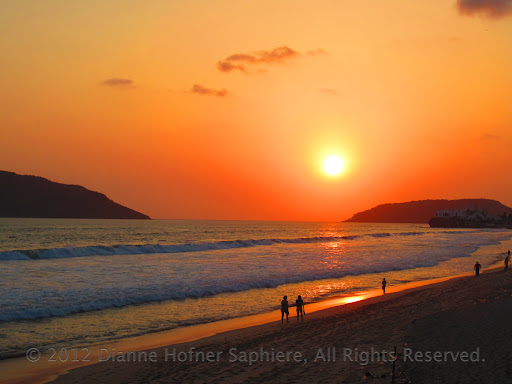
Our route started with the sunset, and ended with the starlight. Along the way we were cheered on and joined by ever-more cyclists.
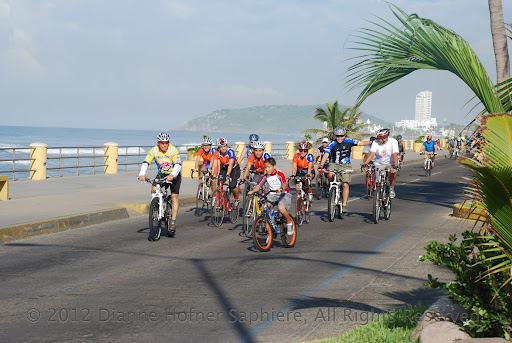
You’ll remember that a couple of years ago a group of active citizens organized a couple of months’ worth of Sunday morning closures of Avenida del Mar for bicycle riding.

The “United for Health” group was led by the very kind and energetic Dr. Angel Eduardo Olivera Sandoval, a local homeopath. Sunday morning street closures to traffic, so that families can walk and ride bikes, are common throughout Mexico and most of Latin America.
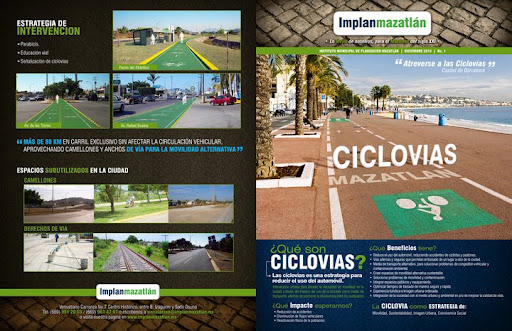
Here in Mazatlán we had good crowds turn out, but unfortunately the municipal government didn’t seem to support continuation of the activity.
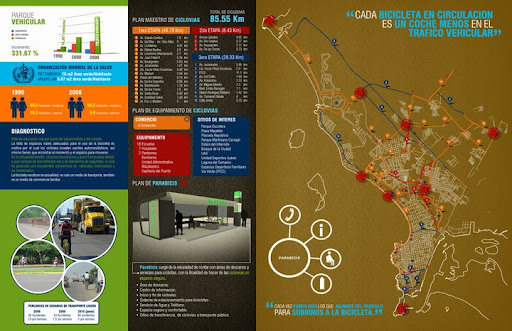
Nor have we thus far seen positive outcomes from citizen-led efforts to build bike lanes here in our port, despite having extensive ciclovías planning for some time now.

The event this evening was held in conjunction with the International and National Congresses of Environmental Science, which has had events at the Mazatlán International Center and the Aquarium.

We were told that the first CicloNoche Culiacán only had 90 bicyclists show up (compared to the 180 who showed up here tonight), so there is obviously a passion for it here in Mazatlán. These days in Culiacán about 1600 people show up for the once-a-month CicloNoches.
It is our sincere hope that this terrific activity can take hold and gain a place in the hearts of Mazatlecos.

Bicycling promotes a cleaner environment, healthier bodies, enjoyment of the outdoors, time together with friends and family. It’s good for locals and out-of-town visitors.
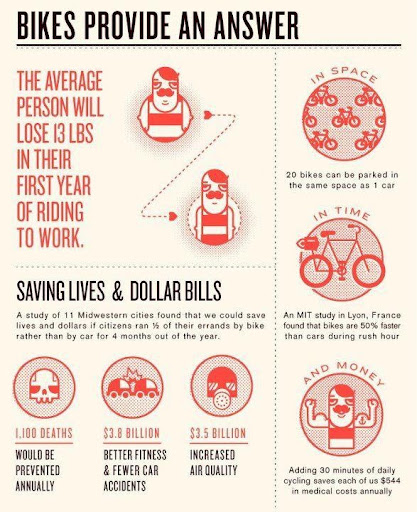
Thank you to CiclosUrbanos, SEMARNAT, and all the organizers of bicycling events and programs in Mazatlán past, present and future!
Lets all turn out and show our support for bicycling! For our health and the health of our city!

 ¡VidaMaz!