Mezcaltitán: 3 Hours South of Mazatlán

island Aztlan

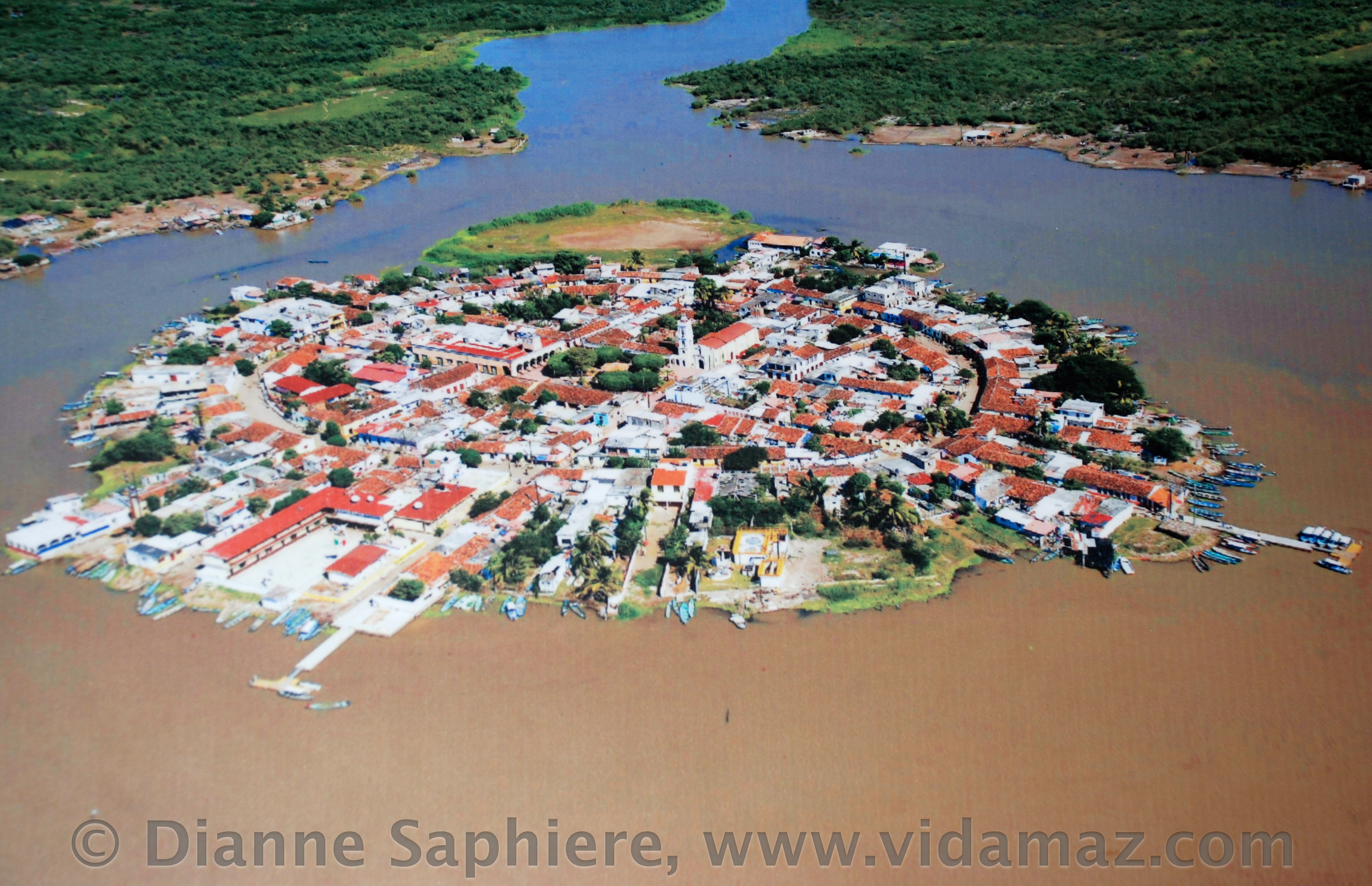
Mezcaltitán is a small manmade island town that is the ancestral home of the Mexican people. Archeological evidence shows it may be the legendary island of Aztlán, from where the Aztecs (the Mexica) departed in 1091 AD on their long journey to settle Tenochtitlán in the Valley of Mexico.

Called the “Mexican Venice,” Mezcaltitán did remind us of Italy. Perhaps more of Isola dei Pescatori on Lago Maggiore than of Venezia, but definitely worth the visit. It’s streets often flood in September; its houses, streets and electric transformers are built and located accordingly. The island is very pedestrian-friendly as there are no cars, only a very few four-wheelers. It is a gorgeous Pueblo Mágico: beautiful old homes and buildings, a charming church and plaza, an informative history museum, handicrafts, excellent seafood, friendly people, serene views and wildlife all around.

Below are some of the photos we took during our day on Mezcaltitán; click on any photo to enlarge it or view a slideshow.

We very much enjoyed our visit and would highly encourage you to make the trip. You could wake up early in Mazatlán and make this a day trip, with a nice lunch and walk around Mezcaltitán. Or, you could spend the night and the following morning go out on a nearby birding adventure. Either way, very nice day trip or weekend getaway from our gorgeous home of Mazatlán.

Feast Days are June 28-29, Feasts of Saints Peter and Paul. While we were not there during the festival, I would love to attend. We’re told that it opens the shrimping season. There is a boat regatta with competing teams carrying statues of Saints Peter or Paul, and locals dress up in feathered headdresses and jaguar robes.

Directions from Mazatlán:
Drive 136 miles (219 km) south on Highway 15 toward Tepic. Exit four miles south of Chilapa at a signed turnoff for Mezcaltitán by a gas station. The road is initially paved but changes to gravel, finally arriving at embarcadero La Ticha after 28 miles (45 km).

Mexcaltitán is also accessible via a short boat ride from the dock in La Batanza, 25 miles (32 km) northwest of Santiago de Ixcuintla. Santiago Ixcuintla can be reached from Highway 15; exit at the Santiago Ixcuintla turnoff 38 miles (60 km) north of Tepic. About five miles (8 km) after the turnoff, you reach Santiago.Go through town on the main street, 20 de Noviembre, which runs by the central plaza and becomes the main westbound road out of town. Continue another five miles (8 km) to the signed Mexcaltitán turnoff, where you head right. About 15 miles (24 km) after the turnoff you reach the embarcadero for Mexcaltitán.

UNBELIEVABLE Bird Watching in Singayta

1.DSC_0826 - Version 3

After Christmas this year we decided to head south of Mazatlán a few hours by car, to check out an area we had yet to visit — the small coastal towns of Nayarit, south of Teacapán and north of Puerto Vallarta.

SLIDESHOW OF SOME OF MY FAVORITE PHOTOS FROM OUR MORNING TOUR:

This slideshow requires JavaScript.

One of the highlights of the trip was a tour by lancha or small boat to Singayta, a bird sanctuary that is home to over 350 species. We were told that 80% of the migratory birds of the Pacific coast visit this area. We are spoiled by the daily opportunity to see loads of water birds right here in Mazatlán, so we wondered whether it would be worth waking up at 6:30 in the morning on our holiday. It was.

SLIDESHOW OF ROSEATE SPOONBILLS:

This slideshow requires JavaScript.

Our guide told us that the roseate spoonbills were nesting, and that we would have opportunity to see their nests and their babies. That’s what convinced us to take the trip. And we did see many, many roseate spoonbills.

SLIDESHOW OF PARENTS FEEDING THEIR YOUNG:

This slideshow requires JavaScript.

We especially enjoyed watching those spoonbills feed their young (slideshow above). The babies were larger than we expected, already a couple of months old, though many of them hadn’t yet gotten their pink color. Our guide said the height of the spoonbill nesting season is October through December.

SLIDESHOW OF VARIOUS BIRDS WE SAW:

This slideshow requires JavaScript.

As we boated up the river we saw so many birds of so many types. Our guide told us what all of them were, but I am no birder and it was hard to keep track. We saw eagles, storks, cranes, ibises, herons, nightjars, rails, egrets, cormorants, northern potoos and Jesus birds, among many others.

SLIDESHOW OF SOME EAGLES:

This slideshow requires JavaScript.

Our guide was keen to make sure we saw the variety of eagles that we encountered. I suppose it was much easier for us to notice the larger birds, so was glad he pointed out so much.

SLIDESHOW OF THE GORGEOUS SCENERY:

This slideshow requires JavaScript.

The area is gorgeous — full of mangrove swamps, estuaries, rivers and other wetlands, along the lines of Agua Verde or Teacapán, much as Mazatlán used to be. We saw a great variety of trees, flowers, lilies and other plant life.

SLIDESHOW OF THE FLOCKS OF BIRDS ON THE ISLANDS:

This slideshow requires JavaScript.

As we approached the actual bird sanctuary, we were amazed at what we saw in the distance. Floating islands of green that were COMPLETELY FILLED with large nests and more birds than I’ve ever seen in my life! We felt like we were in a Hitchcock movie! I can also assure you that the smell won’t be bottled for perfume anytime soon! As we approached the nesting area our guide cut the motor and paddled us closer.

SLIDESHOW OF THE NESTS:

This slideshow requires JavaScript.

In the slideshow above you can see some of the mature birds as well as their young, and you can get an idea just how many nests each little floating island contained. What a pleasure! Many of the parents were busy feeding their kids, as you can see, and many of the young birds are a different color than their parents (I assume they grow into their colors).

SLIDESHOW OF SOME CAYMAN:

This slideshow requires JavaScript.

We also saw a lot of turtles and cayman. Many of the cayman were out sunning, and several of them seemed to want to pose for my camera.

Singayta is a 90 minute boat ride north of San Blas, Nayarit. San Blas is three and a half hours south of Mazatlán, just this side of Tepic on the coast. We took the lancha that leaves from the far side of the river from San Blas — over the bridge from town. The boat and driver/guide cost us 700 pesos, and we could have taken eight passengers for that price. Our guide was very knowledgable about the birds as well as the flora and fauna of the area, as well as very attentive to our needs and desires. The area can alternatively be reached overland via driving and hiking.

We definitely encourage you to make the trip! Not a far drive at all from Mazatlán, and this would make for a terrific overnight or weekend.

Thank You, Colonia San Antonio & Familia Medina, for Making Our Christmas So Special

We had a WONDERFUL and blessed time this December 24th, thanks to soooo so many good people. This post will tell you a bit about why. (NOTE: MANY thanks to terrific photographer and friend, Brian Samore, for sharing many of the photos below.)

This slideshow requires JavaScript.

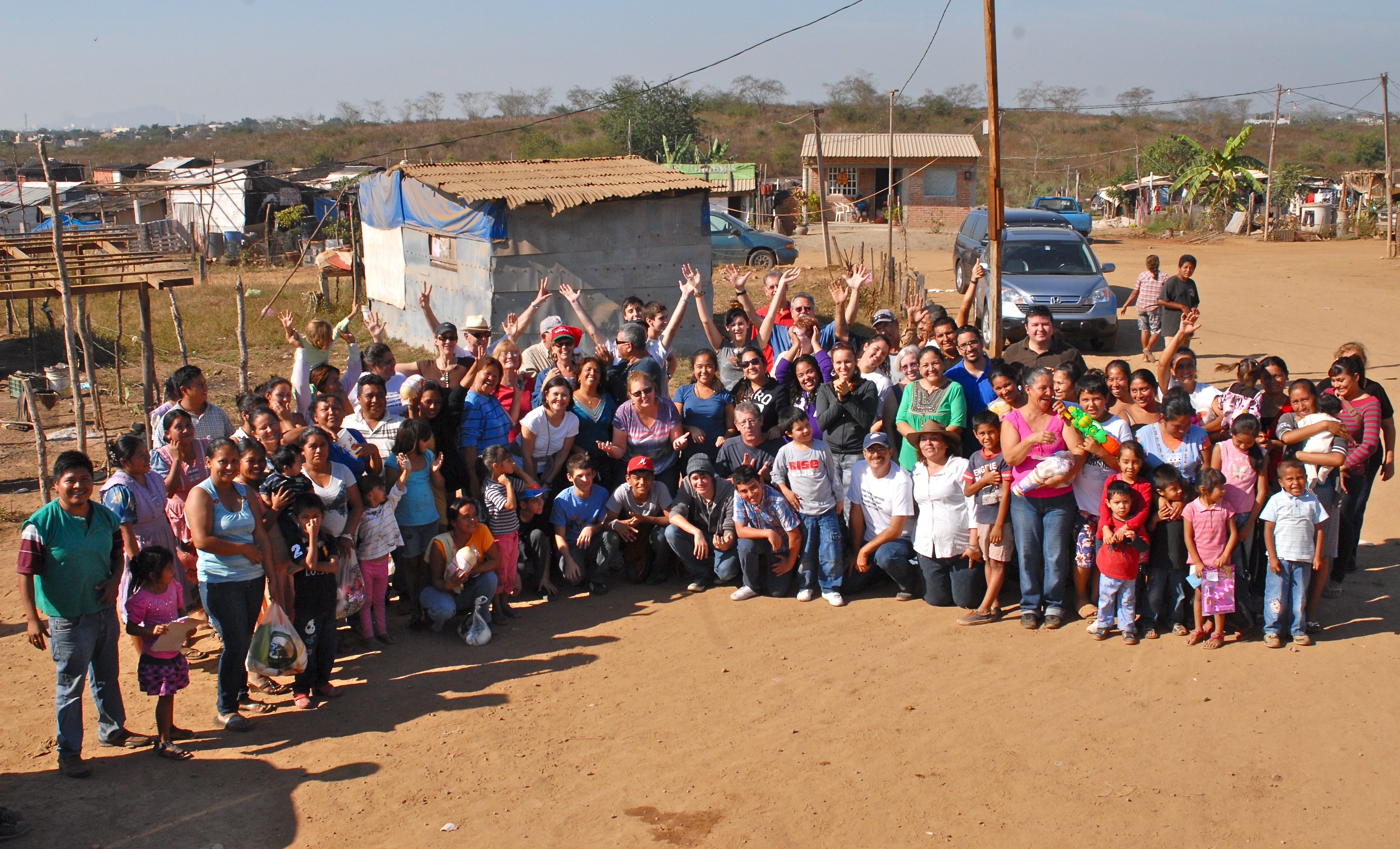
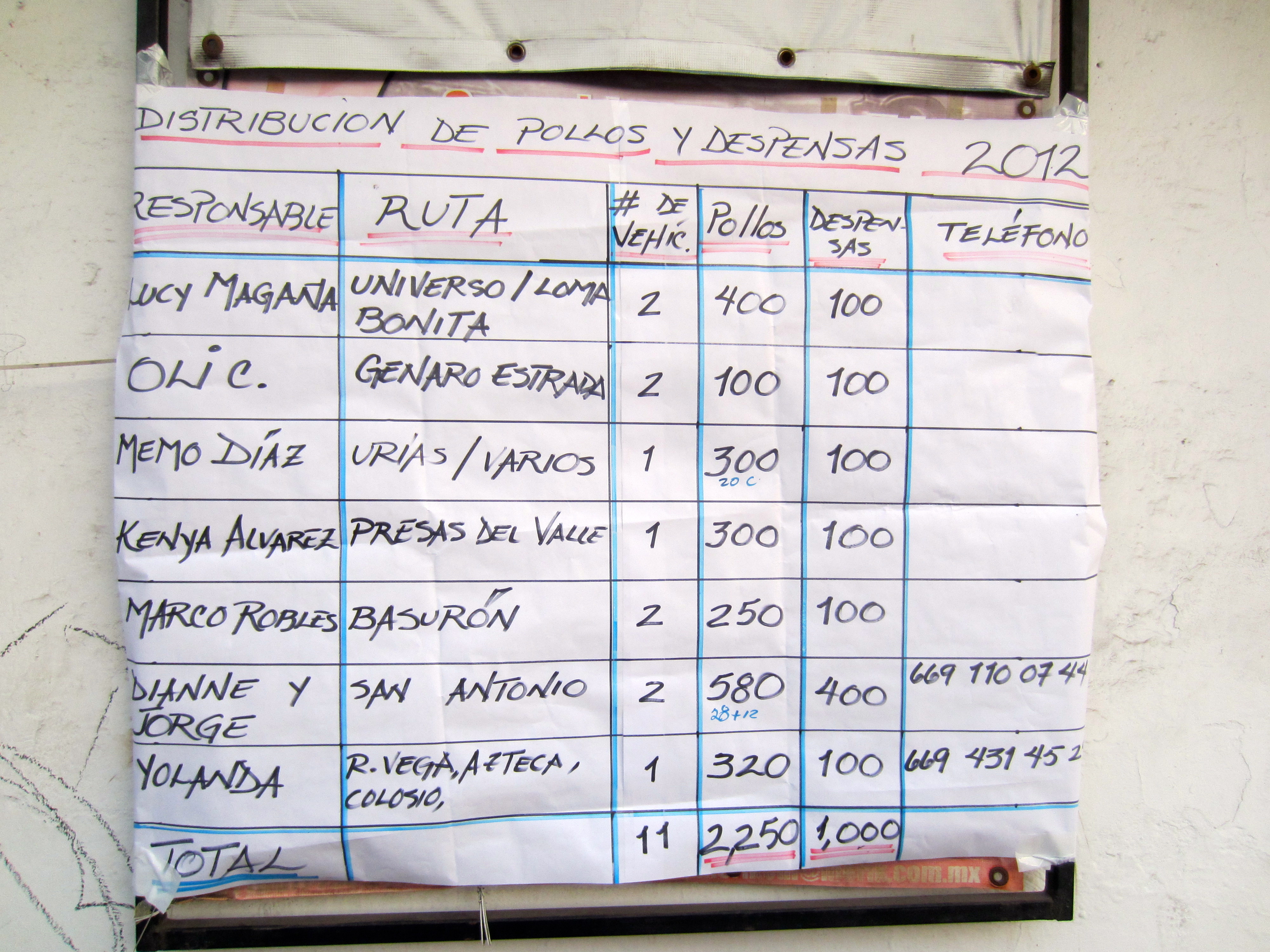
Since 2007 (see photos of 12-year old Danny, above) we have been participating in the Desayuno de los Pollos or “Breakfast of the Chickens.” It has come to define our Christmas each year; a completely, utterly delightful tradition. If you’re a regular reader here, you know that each year over 2000 whole chickens, a week’s worth of kitchen essentials (despensas including beans, flour, coffee, oil…), gently used clothes, new toys and candy are handed out to people who could most use the help in Mazatlán.

routes

This year’s routes

This year was very special for us for a few reasons.

  1. First, I was able to participate in handing out the tickets for the pollos and despensas, prior to the “big day.” This meant that I was able to meet the community leaders as well as at least one representative of many of the families we’d be sharing with, including visiting with them in their homes. It was a WONDERFUL day that I will never, ever forget. Thank you, Yolanda, for including me, and thank you to all the people in San Antonio who so graciously let us into your homes!
  2. I was invited to lead a group on the morning of December 24th for the first time. Due to family illness and travel schedules, some of the regular leaders were not able to attend this year. So, I was asked to step in. I learned a lot and loved every second.
  3. Thirdly and also incredibly awesomely, we had the good fortune and privilege to be joined by quite a few new friends and blog readers on this terrific day, as well as friends who’ve now made this effort part of their family’s Christmas tradition! Thank you all!

This slideshow requires JavaScript.

Normally we travel out to the edge of town, where there are no paved roads. Until this year, there has been no electricity, no gas, no water. This year, we went to Colonia San Antonio. This neighborhood is only two years old and is already home to 750 families! It is growing so very quickly. And, thanks to the community and to the proactivity of one woman in particular (La Maestra, in slideshow above), this area has electricity, many have propane tanks, and there are several large water tanks or tinacos on site.

This slideshow requires JavaScript.

So, where to start? Photos of the wonderful people with whom we shared Christmas?

This slideshow requires JavaScript.

Photos of their homes, reminding us how lucky most who read this blog are, and our duty to help build a more inclusive, respectful, equitable world?

This slideshow requires JavaScript.

How about photos of the incredible gardens some of the people in this community have planted, to provide themselves sustenance, greenery, and a pleasant pastime?

This slideshow requires JavaScript.

Or, similarly, photos of the crafts I had the pleasure of enjoying, mostly made out of recycled materials? These are items that allow people to connect with their creativity, bring some brightness to their days. To me, the gardens and crafts are signs of the strength of the human spirit.

On the day we handed out tickets, I told a lady how gorgeous her bracelet was. Sure enough, the day we handed out chickens, she had made one special for me, God bless her soul.

This slideshow requires JavaScript.

I so appreciate all the people who donate, who show up to load the trucks, Yolanda Medina who started all this, her family and friends who work hard for months (most of the year, actually) to make this all possible.

This slideshow requires JavaScript.

The best part is handing things out, seeing the worry on people’s faces transform into joy, as they receive their chicken, items of clothing, a toy, even a piece of candy.

group

Group members who hung out till the very end

This slideshow requires JavaScript.

While in 2010 we ran out of chickens and had to go on a shopping spree, this year we actually had a surplus and were able to stop by Ciudad de los Niños on the way home, to share chickens, despensas, clothes, toys and candy with them.

If you are in Mazatlán next year, I do hope you’ll join us! While this post is mainly about our efforts on December 24th, there are many ways to help.

  • The primary fundraiser is a breakfast held two to three weeks before—in late November or early December. That event requires help with ticket sales; donations of food, tables, chairs, coffee pots; logistics; set up, waiting tables and clean up; as well as people to collect raffle prizes, silent auction items, and make goods to be sold at the bazaar.
  • The despensas need to get calculated, funded, ordered and portioned out in the days and week before the 24th.
  • Clothes needs to be collected and sorted along with toys and candy.

Any one person can make a huge difference. In 2007 when we started, we came as three people just wanting to do what we could. This year, we brought 17 other people (and TWO much-needed trucks) with us — some newbies, some on their second or third year. All of them will come again and bring some new people with them. Together this can grow and help even more families. Thank you to everyone who helped or joined in this year!

What Do Mexican Nativity Sets Have That Mine Doesn’t Have?

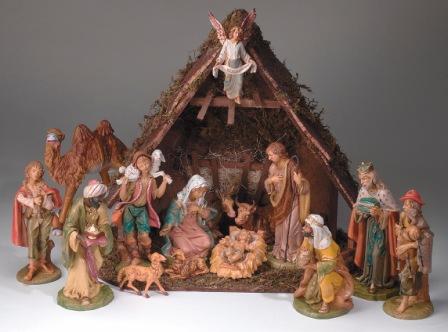
my nativityGrowing up in Wisconsin, our nativity set looked a lot like the one at left.

In Mazatlán, most of the nativities (nacimientos) do include these basic items that I grew up with — Mary and Joseph, the baby Jesus, shepherd and sheep, 3 kings, a camel, a donkey, an angel. But they also include a WHOLE lot more!

Here, nativities always seem to have turkeys. Why? Because we eat pavo on Christmas? Mazatleco nacimientos also seem to always have chickens.

This slideshow requires JavaScript.

And a well. Almost every Mazatleco nativity we’ve seen has a well. Again, why? Because Jesus asked a lady for water at a well, like, 30 years AFTER he was born? The wells are pretty. People did need to drink.

This slideshow requires JavaScript.

The nativities I grew up with had pine trees. I always thought that was a little weird. As a kid I imagined that where Jesus lived, maybe palm trees would have grown, but pine trees? Well, Mazatleco nativities have cacti. Lots of different kinds of cacti.

This slideshow requires JavaScript.

The shepherds in Mazatlecan nativities often wear sombreros. And they may carry tropical fruits. Or beans. Traditional Christmas foods. They may be miners. Or carry really heavy loads.

This slideshow requires JavaScript.

Mary and Jesus may have a comal alongside the manger, for cooking fresh tortillas for all those visiting kings.comal

There are usually a lot of tropical birds in a Mazatleco nativity, and often times a waterfall or water feature. We do live on the ocean, after all. And we are blessed with loads of gorgeous water fowl.

This slideshow requires JavaScript.

A nativity here might not be complete without a burro carrying beer, or a lady handing out avocados. Christmas is a cause for getting together with family and friends and celebrating, that’s for sure.

This slideshow requires JavaScript.

There are often barnyard animals in a nativity here, including cows, pigs, and geese.

This slideshow requires JavaScript.

And, usually, the nativity includes a devil. Sometimes one, sometimes quite a few. The nativities I grew up with included lots of angels, but never, ever a devil.

This slideshow requires JavaScript.

Nativity sets here grow so large, over several generations, that many of them become small cities filled with people doing all sorts of different things. Nacimientos are yet another reason to LOVE Mazatlán! 😉

Could You Cook Your Holiday Dinner Here?

foodWe recently had the very good pleasure of traveling to our friend’s hometown, San Ignacio, Sinaloa. It’s just over an hour from Mazatlán. On the way we stopped for one of the best breakfasts I’ve had in a long, long time. The meal was at Cuata’s, just south of San Ignacio. I had stewed ribs with nopales, and Greg had carne asada/grilled beef. It was accompanied by the most marvelous queso fresco — panela cheese, and the mooooooosssst glorious homemade blue corn tortillas ever!

Now, surely this wonderful meal, made with items from a stew pot, griddle, and grill, came out of a well stocked and well staffed kitchen. Indeed it did, though it was a kitchen that many chefs might find challenging to work in. More power to the cook! Cuata’s kitchen, without gas, electricity or running fresh water, was a Christmas reminder to me that sometimes simple is best!

This slideshow requires JavaScript.

To keep Cuata company as she cooks, there are several pet pericos.

This slideshow requires JavaScript.

Heartiest of heartfelt holiday wishes to all our readers. I am grateful for good friends, beloved family, open-air awesome restaurants like Cuata’s, the good health to be able to enjoy food like she serves, and the ability to share a bit of our lives with you. Thank you for being here with us!