Mazatlán Immigration Forum

Hello everyone,

Tomorrow morning in Mazatlan, the expat community is having a forum related to all of the recent changes in immigration. The forum was arranged by the Governor’s Advisory Council and will feature representatives from Immigration, Aduana and Hacienda in an attempt to clarify a lot of the things we have all read about on various forums on the Internet.

We have been given access to some of the prepared materials in advance and asked to make them available to interested parties. The first 9 pages are a slideshow in English followed by the same nine pages in Spanish. After that is a Q&A in both languages. The translation is not perfect, but I am presenting what I was given. Please share and enjoy.
******UPDATE NOVEMBER 29, 2012******

Well you didn’t miss too much today. Hacienda was a no-show, so nothing learned about capital gains. Aduana showed, but nothing was prepared ahead of time and they seemed a little lost as to why they were there.

There were a few new things learned after the meeting this morning. The good news for most is that all of the new financial requirements do not apply to anybody currently holding a valid visa. Just don’t let it expire. If it does expire and you go more than sixty days, you not only have to pay a fine, you lose your seniority and have to start all over (after leaving Mexico).

The switch to Permanente takes 20 days. If you need to come and go from Mexico during that time, you can purchase a permit for 320 pesos.

Aduana said that nothing on their end has changed. If you are in Mexico temporarily you can have a car just like in the past. If you are permanent, you need to return your car to the country of origin or consider nationalizing it if it qualifies. At the very end, the Aduana representative made reference to a category of Permanente – Rentista. He said that if you have the rentista designation you can keep a foreign-plated car here. There was no time at the end to circle back and verify with Immigration that they will have such a designation under the new rules for those who qualify. It seems to make sense as the Rentista category clarifies that you are not earning income in Mexico and are supported by sources outside of Mexico. Without this designation, it would imply that a Permanente can work, and we know this is not the case.

Overall, the main message is that this is much better for anyone with a current visa. Once you have four years, you have to go to permanente (or leave Mexico and come in under a new visa). Once you pay for permanente (4,815 pesos), you never pay again. Never is a long time and governments need money, but that is what they said. Also, when you think of it, the immigration offices will be a lot less busy in the future. With one-time applications for permanent replacing a lot of FM3 and FM2 renewals and multi-year temporary applications replacing much of the remaining – they will have a lot of time on their hands – this is perhaps part of the master plan.

The meeting was fairly well run. Somehow during the Immigration presentation the Spanish/English/Slides got out of sync and some people were confused. If you understood even a little Spanish you could understand what had happened.

The place was packed – standing room only and then some. Most people were polite, but there were a few cantankerous individuals in the crowd as always.

There were only a few questions from the floor and they were helpful to keep the car conversation going.

It will be interesting to watch this unfold. I’m glad that I won’t have to let our FM3’s expire and then reapply – that never made sense. We don’t renew until May/June, so we are lucky that others will go through this and iron out the system before we arrive!


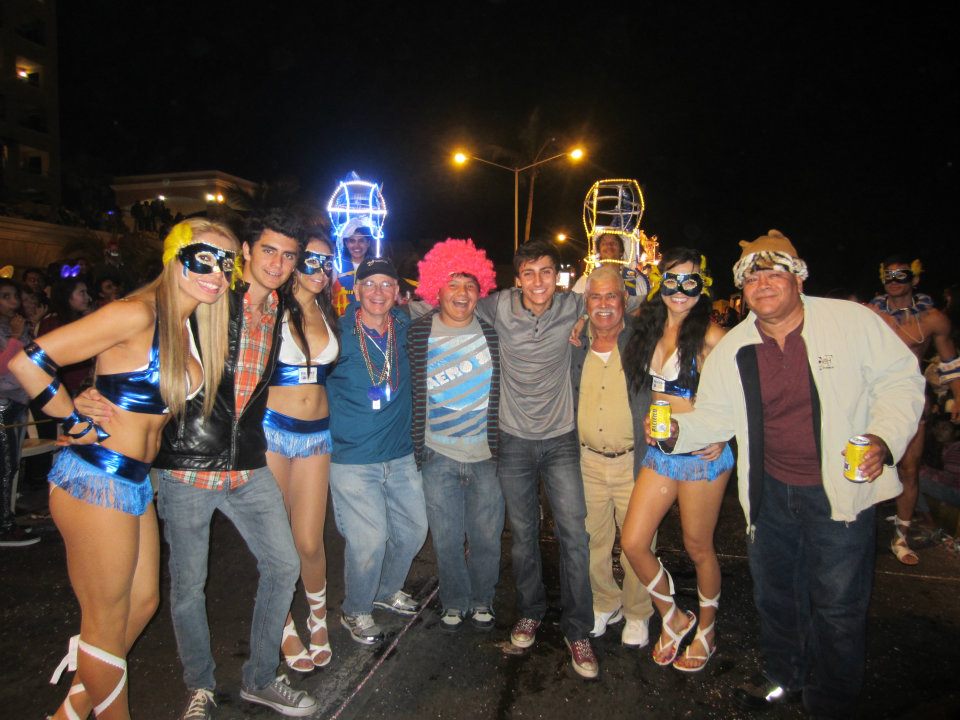
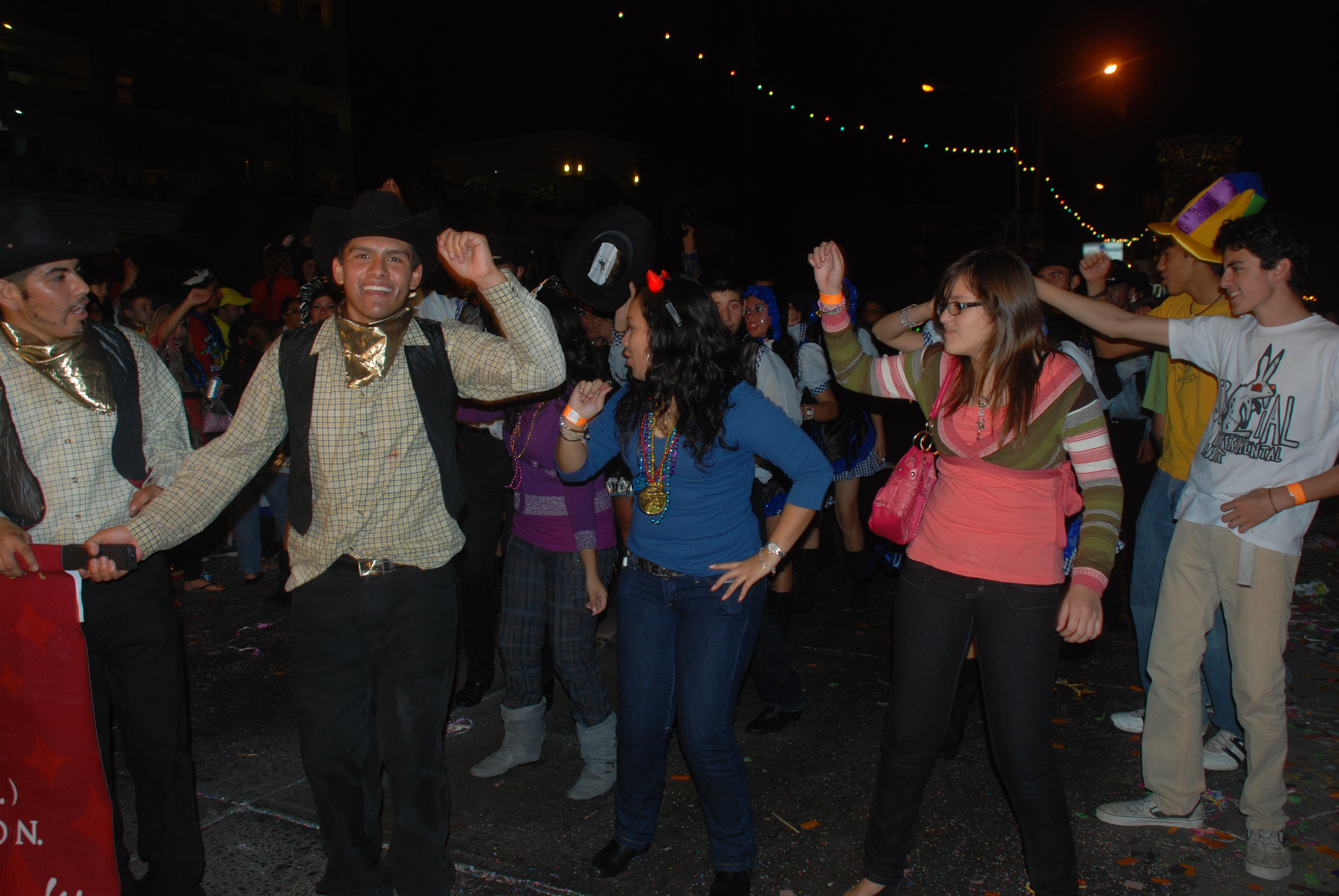
The Wonderful Music of Carnaval

Quick! What was the official song of Carnaval this year? How about last year? Do you remember the official song?

I guess it’s a trick question, as there are no official songs of Carnaval—the key word being official. Each year, the “People” choose the songs through very informal group think. You will hear the same handful of songs all Carnaval long blaring out of parade floats, car windows and band stages. Songs of the young people you say? Perhaps, but I’m pushing 50 and I love them.

With this thought in mind, I have been paying attention the last few years and submit to you the popular songs of Carnaval Mazatlan 2009-2012, along with my guesstimate for the popular songs of the 2013 Carnaval.

Some of you may not be familiar with the music below, or maybe you want to check out the videos. To make things relatively easy, I have created a YouTube Playlist. As you may know, YouTube playlists are subject to the whims of YouTube and the uploaders of the content. I apologize if any videos are unavailable when you try to watch them. You can find the play list here.


2009

  • Las Mulas de Moreno (Fine Fine Fine) – Julion Alvarez – One of Mazatlan’s hottest acts scored big with this hit featuring an English language chorus that anyone could sing along to.
  • Te Presumo – Banda El Recodo – This year’s King of Joy, Mazatlan’s Banda El Recodo gave a free concert on Thursday night and reigned over Carnaval with style and grace.
  • Cumbia del rio – Los Pikadientes de Caborca  – There are many versions of this Norteño/banda tune, but this version charted shortly before Carnaval and was getting a ton of radio play going into the big event.

2010

  • La Maria– Julion Alvarez – A wildly popular Norteño/banda hit by one of  Mazatlán’s favorite sons
  • Ni Con Carro Nuevo – El Centenario – This Norteño/banda tune is performed by Mazatlán’s own Thomas Antonio “El Centenario” – it didn’t hurt that he was elected King of Joy that year as well. The video has some great views of Mazatlán.
  • I Gotta Feeling (tonight’s gonna be a good night) – Black Eyed Peas – This pop dance hit took Mazatlan by storm as it did the rest of the world just in time to add some interesting variety to Carnaval
  • El Cochi – Banda El Rey – A very popular song performed by one of the great banda bands of Mazatlán. The video is still popular on Videorola and the band is poised to release a new CD in the coming weeks.  Banda El Rey – Puro Sinaloa!


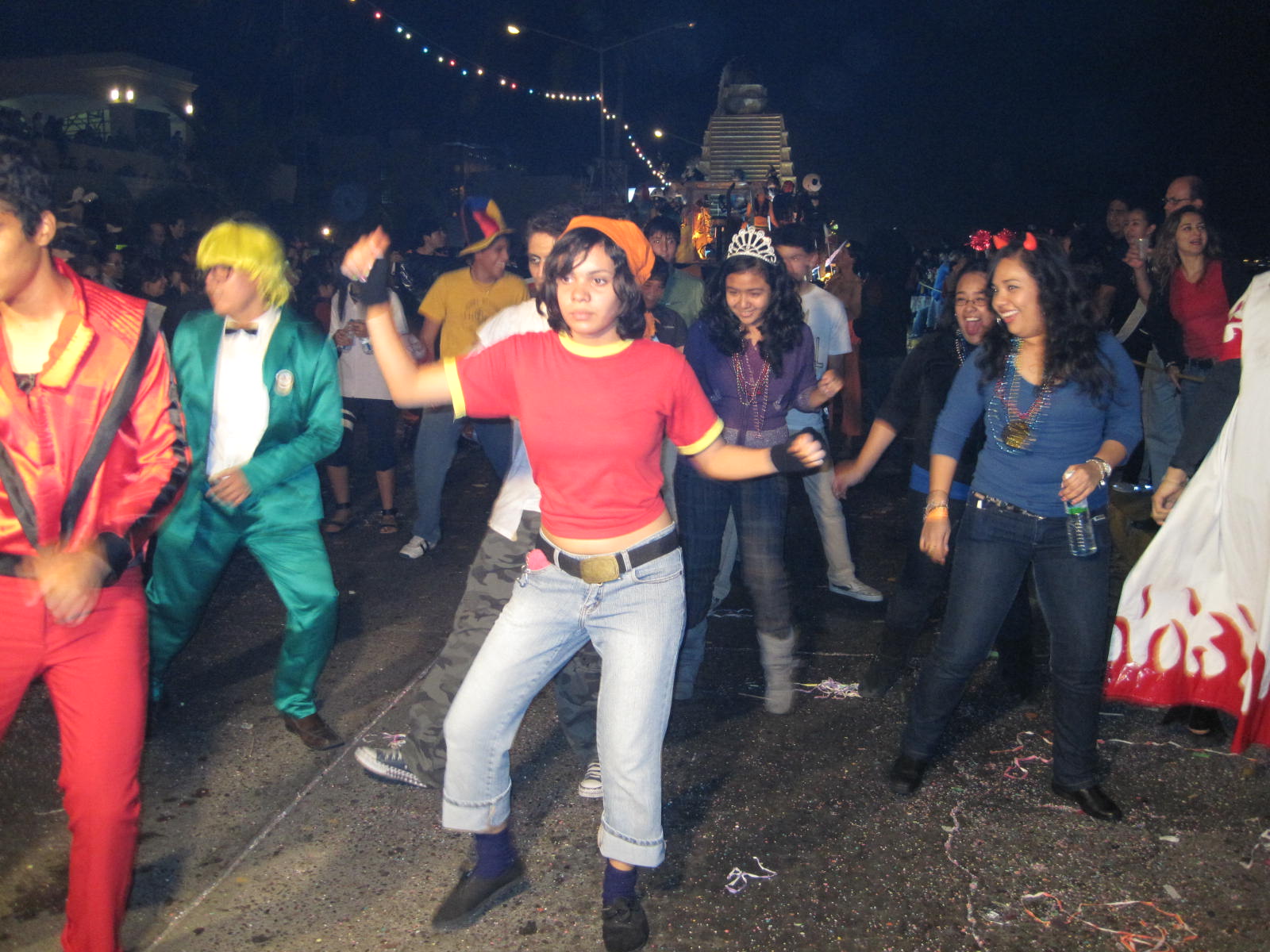
  • Anything by Michael Jackson – Michael passed the previous June and his songs were prominent in the parade including a huge dance team performing Thriller with the crowd all the way down Avenida Del Mar during the Sunday and Tuesday events

2011

  • La Peinada – Chuy Lizarraga – a popular Banda/Norteño tune by Mazatlán’s own Chuy Lizarraga with a great video filmed on the Avenida Del Mar and featuring La Botana


  • Mi Niña Bonita – Chino y Nacho – a reggaeton dance smash hit – very popular with girls due to the handsome lead singers and melodic tones. Put your hands together and make a heart and sing-a-long.
  • La Maria – Julion Alvarez – Second year in a row for this smash hit by one of the best musicians to ever come out of the Mazatlán area.
  • Mueveme Pollo – Banda San Jose de Mesillas – Great band, great video, great tune – another banda hit that increased the heart rate of Carnaval. This band went on to play opening night in Olas Altas at the 2012 Carnaval.

2012

  • WEPA – Gloria Estefan – Spanish and English versions – This is another pop dance tune made extra popular having the Cuban rapper Pitbull perform a remix and add some vocals.
  • Mentiras – Paola Preciado – This remake of a popular Latin tune was given a banda twist and modified lyrics for the female lead singer and scored huge.
  • On The Floor – Jennifer Lopez – Another huge pop/dance hit that caught fire on both sides of the border – this tune also features Pitbull.
  • Inténtalo – 3BallMTY (pronounced Tribal Monterrey) featuring El Bebeto and América Sierra – Of note is that this group went on to be named New Artist of the Year at the 2012 Latin Grammy’s. Their music is Tribal – which is similar to House music – a lot of synthetic drums and other electronics going on. It got a lot of play on the Reggaeton video station and even VideoRola. This dance tune was and is very popular with the young folks.
  • Nube Gris – Margarita (La Diosa de la Cumbia) – Originally released a few years back, this live version came out in 2011 is more up tempo than the original and received really heavy airplay leading up to Carnaval

2013 – With less than three months to go before the start of Carnaval, I base my guesstimates on what has had major radio play this past year (weighted more heavily towards recent months) and the music that lends itself to Carnaval parades:

  • Gangnam Style – PSY – Not much of a stretch to guess that this International hit by the South Korean pop singer would be number one on my list. With 800 million YouTube plays and counting – it is a hands down favorite. If you happened to catch the Revolution Day Parade, you may have caught a small preview. So, if you plan on dancing with the kids in the parade this year, gotta learn how to dance Gangnam style!
  • La Niña – Julion Alvarez – He missed last year, and I have no doubt he will return with this great song. Mazatlán is very proud of Julion’s success and I’m sure it will get celebrated next Carnaval.


  • I Like How it Feels – Enrique Iglesias (featuring Pitbull) – Not a new song, as it was released over a year ago and could have been a Carnaval song in 2012, but it was a little slow catching on locally. It has not received a lot of play recently (partly due to changes in local radio programming). English language dance songs do well in Carnaval, especially by Latin artists and having Cuban hit-maker Pitbull involved can’t hurt!


  • Serenata de un Loco – Chuy Lizarraga – Here’s Chuy again with another great up-tempo dance tune whose video, filmed right here in Mazatlán, features cameos by other local bandas and characters.
  • Con Cualquiera – La Leyenda featuring Genitallica – This is a fairly traditional Norteño song, but it has an added twist of bringing together two bands from Nuevo Leon – La Leyenda and Genitallica – La Leyenda is a Norteño band that’s been around since the mid-90’s and Genitallica is a reggae/punk/ska/rock/hip-hop band that’s been around for almost as long. A mash-up for them is not unfamiliar; Banda El Recodo performed in one of their singles a few years back.
  • El Chile – Oscar Padilla – Just because I like this song, which features Huichol along with Spanish, is not enough to be included in my list. However, in recent weeks this great tune is getting lots of radio play and while there is no guarantee, it could make it. I see dancers wearing authentic Huichol dress and dancing along. What do you think?


So, what are your guesses for the official music of Carnaval?

Another Beautiful Mazatlan Sunday Bike Ride

I ride my bike a lot in Mazatlan. It is a great town for bike riding, at least as far as I’m concerned. Some people are put off by the traffic (pedestrian and vehicular), but I think it adds to the excitement and challenge.

Most people do what I used to do and go up and down the malecon (or boardwalk) along the ocean. It is relatively flat, very scenic and overall very safe. However, it is not very challenging and if you are trying to get in some good cardio or burn a few extra calories, you either tow a bag of bricks behind you or seek a tougher ride.

I started seeking tougher rides nearly two years ago. I started going north to the far end of town, but that involved too much street time and too many crazy drivers. It was all flat other than the two bridges that are more of a workout due to the speeding traffic then the incline or distance. I also have experimented with riding downtown and do still enjoy it from time to time. It is best to go really early and realize that for a great workout, you will be going up and down the same small  hills over and over.

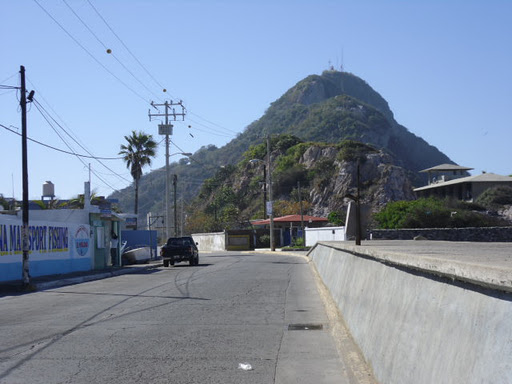
Mazatlan has two big hills – both in the southern part of town, called Olas Altas. Mazatlan also has the second tallest natural lighthouse in the world. So, about six months ago, I decided to combine the challenge of an up and over a good sized hill with a climb to the top of the lighthouse for a good cardio workout.

If you do not know Mazatlan, you can’t imagine what a wonderful ride this is. So today I packed along my camera and took a few pictures in an attempt to show at least some of what I like about this ride. As for the hill, well, I admit it doesn’t look like much in these pictures, but it is a moderate challenge for me and of course is getting easier the more times I go. Try it and see.

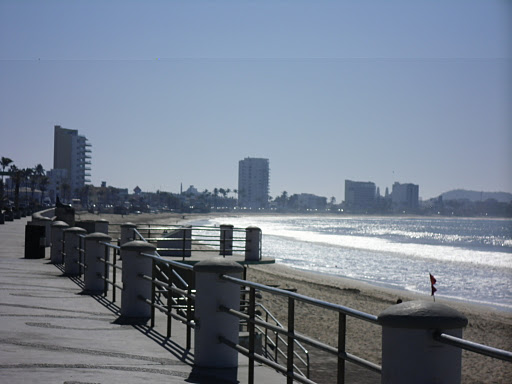
Here is the malecon looking south from in front of our house:

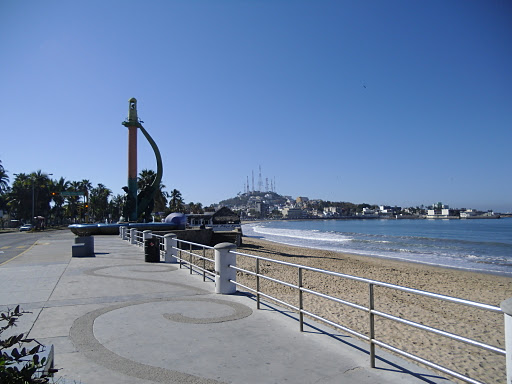
Here you can see the curve of the bay and how flat most of the malecon is:


The curve and flatness continue as we go past the Fisherman’s Monument:

Once we get past the fishing boats, there is a small incline, but not much of a challenge:

Are you digging the view as much as I am? Can you see why so many people choose to just stay on the malecon? At this point we are directly across from where we live and have gone around the bay. Our building is circled:

Now, there is another incline in the road to make for a little challenge:

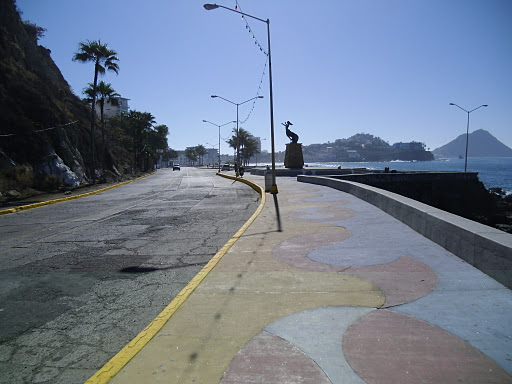
After we round the corner and go past some vendors and the huge flagpole, we begin to see the hill to the right of the statue in the picture below and the lighthouse on the far right:

As we get a little closer, we can zoom in on the first part of the hill that we will need to climb. Today, Sunday, is the easiest day. During the week the school (blue and white building) at the elbow in the road is very busy. The turn is extremely tight and there are cars and kids everywhere. The hill is essentially three little hills in one. We will go straight up towards the school, turn left away from the ocean and then turn right and rise up above and behind the school, before eventually turning right and enjoying the downhill ride to the road to the lighthouse.

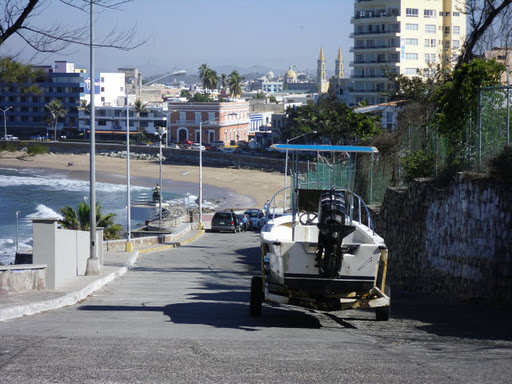
Here we are ascending the hill towards the school and a shot looking back from the school:

Next we turn left and parallel the school (hill 2):

From the next corner we pause to look behind us:

And in front of us (hill 3):

It’s at this time that my heart is usually working the hardest. With an allowed maximum heart rate of 170, I am happy to see that I have not overdone myself today:

If you look closely, you can see that we have only been at this for 28 minutes. It’s taking longer to type this than to ride it!

Looking back down hill 3:

And ahead to the downhill ride the awaiting lighthouse:

The approaching lighthouse and a look back at the fun downhill ride we just had:

The road to the lighthouse – water on both sides. The lighthouse used to be an island, but a road was built over the rocks to accommodate traffic.

We have written about the lighthouse. You can read that entry here. Some people actually ride their bike up the switch back dirt path and then carry the bike up the stairs (or turn around). What I like to do is tie up my bike at the bottom. Fast walk up the path and 300+ steps, spend two minutes at the top, hurry down the stairs and then run down the path and jump back on my bike. It keeps my heart pounding and takes about 30 minutes depending on how many people I have to get around on the stairs. It is a great workout. My final picture is my bike tied up to a telephone pole waiting for me as I complete my trek down the hill. To get home, I go back the way I came. Total time is usually around 90 minutes, give or take as the wind and stopping to talk to friends often makes a difference.

A note about the picture. If you look to the right, you see three people sitting in the middle of the roundabout–one with a guitar. These three guys were sitting there when I got there and when I left just playing music and singing old Mexican ballads (quite well too). Just one of those little treats here in Mazatlan that helps me remember why we moved here.

If you ride a bike here, please be safe. It takes a little getting used to. Most of all be careful and have fun. Enjoy your ride!

Travelogue Spring Break 2011, Day 4: Machinez

Machinez is a small town, or pueblo about 15 minutes by car outside of Zacatecas. The residents we know there call it their “rancho”. The rancho has no governance, no police department, no real services. This somewhat organized series of houses, farms, lots and makeshift streets is home to about 250 families. There is a school and a couple of tiendas selling the basics of beer, refrescos and food staples. Most residents raise some portion of their own food, be it meat, produce or both. There is a soccer field and a park of sorts with a few old children’s slides and swings. There is a river crossing through town. The river was fairly dry on the day of our visit, but in rainy season is a force to be reckoned with. The river is a major source of water as we saw tinacos and water trucks being filled from the river. Most homes have electricity and some plumbing (but not much).

So, from this brief description, you may be asking why I have decided to dedicate an entire blog post to the subject. Well, the point of this post has nothing to do with Machinez per se, but about how we came to visit there this day.
The story that unfolds in Machinez occurs throughout Mexico time and time again. It is a story of hard work and resolve to improve one’s life and one’s family’s life. It is a story of the proverbial analysis of risk/reward. And yes, for us, it is a story or reconnecting with friends we have not seen in years.

The friends we came to visit are like many other Mexicans. They are recent returnees from the United States having braved the perilous border crossing to get to a city where a friend or a cousin says they can get work. The hope of that work is promise to the families of the ranchos. You see, it is with the money earned in the States that the ranchos are able to survive. We spent considerable time at two houses on this day – the house of Alvaro and the house of Eduardo. Both of these young men started as dishwashers in Kansas City. Both showed great potential, the willingness to learn English and the desire to get ahead. Eventually they both became cooks during the busy lunch rush. They routinely put out between 100 and 200 lunches of extremely high standard meals under the guidance of a C.I.A. trained chef. They became leaders in the kitchen as they continued to absorb the culture of the workplace and of the States.

The plight of the illegal immigrant is widely publicized and debated. This blog is not about that debate. Is grounded in the facts – like them or not, these are the facts.

As Alvaro and Eduardo continued to work hard and grow as cooks, they hit a ceiling of sorts. They were illegal. They were forever limited in their employment opportunities. And, they were lonely. Eduardo and Alvaro were both single and aside from a few cousins in town, void of social opportunities. Living in the shadows of Kansas City, they hesitated to venture out. A broken turn signal can domino into a bus ride to Tijuana and the loss of everything. Also, going out cost money and was seen as frivolous spending. Like many others, to relieve the loneliness and boredom they took a second job. A second job fills the time, provides additional social interaction and keeps the money coming in. This after all is the goal. We can fall in love with these guys all we want, but our love is not going to keep them around. They are on a mission. Years ago, the goal was to make a life and then bring everyone else up to share in the new life. This has changed dramatically due to the legal/political climate. Now, the goal is to make enough money to build the house back home, buy the car, put the sister through college, pay for dad’s eye surgery, whatever. Rare is the visitor who finds a way to stay permanently (marriage, sponsorship, etc.).

And so it goes in Machinez. The houses that Alvaro and Eduardo have built are some of the finest in town. Big and strong, nicely appointed, two levels high with incredible vistas, they are symbols of a success found by taking off for five to ten years and working really really hard towards a goal. Each has surrounding land with crops and a few livestock. Each is connected to or very close to family homes, also very nice. Their efforts provided economic stimulus for the rancho. The jobs provided were local jobs. The supplies were purchased from locals and money went back into the community. Alvaro has since married. He has a beautiful baby girl and another on the way. Eduardo is still single—but working on it. As they tour us through their homes, they proudly show pictures of their family and point out which cousin or in-law is still in the States. These family members, they tell me, are making the same sacrifice they did in the name of getting ahead. They are missed by many, especially the older family members who realize that they may not live long enough to see their son or daughter’s return. Yet, they understand the reality of the situation.

Alvaro and Eduardo’s lives are quite simple. They work, they celebrate life. They enjoy beautiful weather and scenery. They listen to music everyday (often played by the family band). They share everything with their friends and family in town. This includes their homes and their SUV’s (brought down from the States). They don’t have cell phones, Internet or cable TV. They drink some beer, dance to banda music and retire for the evening. They have little or no crime in their clean community. They don’t have a mortgage or credit cards. They can and do live on very little. If they weren’t under 40, they would sound like they are living the life pursued by retiring gringos.

But they are not retiring gringos. These young men are starting families; they have financial responsibilities and need to work. No problem, right? They are well trained in the kitchen. They cook better than many chefs and restaurateurs that I know. They are certified in serv-safe, understand cross utilization, understand wine basics, can lead a team, can work with vendors, and speak two languages. But you see a great cook in the States, even one that has worked for ten years at an exclusive upper-end dining establishment is nobody in Mexico. To get the attention of a kitchen manager they need to have a degree from a vocational school specializing in culinary arts. They need to have diplomas from Mexico and they have none. There is an outside chance that they can find a friend of a friend in the food industry to introduce them to someone, but it a chance not worth waiting for. Instead, my two friends are gas station attendants. They receive a minor minimum salary and cash tips. They work various shifts, but all are long –both days and nights. Their jobs are dead end to say the least. They work along a busy highway and risk getting robbed or worse. They spell of gasoline and other chemicals when they return home. Like many workplaces in Mexico there are poor sanitary and safety conditions.

What does the future hold for my two friends? I really don’t know. They will not return to the States unless there is a major shift in politics that offers some sort of path to legalization. They would love to cook again and have a job with some potential. Being technically uneducated and from a “rancho”, their options are very limited. There houses will survive almost anything thrown at them and they will always be able to work enough to keep food on the table and the lights on. With any luck they will have children who are able to go one step further, finish school and get a job with some promise. Until then, the beautiful sunset on the western horizon of Machinez will usher in another session with the local band. The moms and daughters will dance with each other and the few men not in the band. As night falls, they will turn in with the adventures in the States a distant memory until the next time a certain gringo comes to town for a visit. And don’t worry, he will.

Banda is not Spanish for Band!

I have heard Banda and Norteño music described as “an acquired taste,” “a God-awful racket,” and “the best music on the planet.” Realistically speaking, I agree with all three.
 
First off, what is Banda? Banda is a style of music popular in Mazatlán and the rest of Sinaloa, the state in Mexico from which it hales. It is growing in popularity elsewhere, but especially in the United States.
 
Banda style music dates back to the late 1800’s. It was imported from Germany when the Germans came over to invent Pacifico beer. You won’t find this fact validated by any reference checking, but I can assure you that the German’s greatest contributions were Banda and Pacifico. In fact, I’m drinking one now.
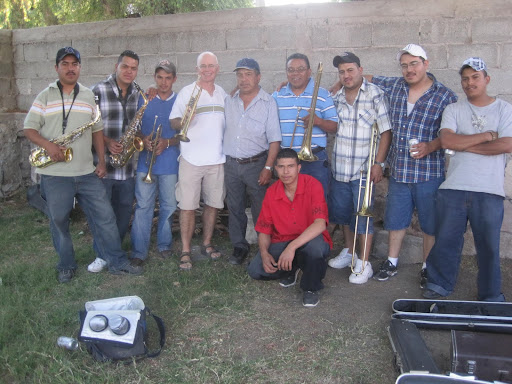
A Banda band is a band ranging size from around 8 to around 24 – give or take a few. A band consists of mainly brass or wind instruments like clarinets, trumpets, trombones and tubas. There are always drums – many of them. One drummer will usually play a snare drum and some cymbals (or cowbell, etc.), another will play tom-toms and still a third might play a bass drum with a cymbal on top. Because of these drum types, you will often see drummers standing when playing. String instruments are rare; as are keyboards. Normally there won’t be an accordion. Most often a Banda-like band with an accordion is actually a Norteño band. While some Norteño does come from Sinaloa, most comes from the more northern states of Mexico. Norteño can also thank the Germans (and the Czechs) for its beginnings. It is more of a rural sound, and I really like it too. You will hear Norteño music on Banda radio stations and see the videos on Banda video channels.
 
When it comes to the Banda “sound,” there are many. The most common are cumbias, rancheras and corridos. At the end of this post I will put links to a variety of videos so you can hear for yourself. If you think this is confusing, it is. These three types of music are not limited to Banda, but also played by Norteño bands. Why is this a problem? Well, people will say, what kind of music do you like? Do you like Banda? What kind? Norteño? How about Mariachi? Are you wondering why Pacifico is needed to get this all straightened out?
For purposes of clarity (and ease for the author), I will use Banda from this point on to mean Banda and Norteño.
 
Often Bandas will have more than one singer, making it difficult to hear a song on the radio or in a restaurant and know who you’re listening to. So, apparently to solve this problem, Bandas are known for singing out the name of their band (and home city or state) sometime during the song (usually at the beginning). I find this system very efficient and would highly recommend it to bands elsewhere in this world. Not only are there concurrent multiple singers, but as bands age, singers are replaced. Some Bandas have been around for many years. The most famous and best example is Banda El Recodo. The full name of the band is Banda Sinaloense el Recodo de Don Cruz Lizárraga. The band has been under the control and guidance of the Lizárraga family for over 70 years. Their current lead singer sounds very different than the last singer, but he is great and is very young and hopefully will be the primary voice of Banda El Recodo for years to come. Note the full name tells you who founded the band and where it is from, very efficient. You will often see Banda names with a founders name included or a city or state of origin. This helps designate a band if someone else in the country has a similar name and shows hometown pride. I like it!
 
Banda is not exclusively a male-dominated genre. There are some female Banda bands, but they have not had the successes associated with today’s well-known Banda bands.
 
Sometimes Banda sounds over-amplified and distorted. This is usually due to the tuba being played and used in a way that is uncommon to most music listeners. Other times it is due to the fact that the band will amplify one or more of the singers and put the tuba too near the microphone at which point it is over-amplified and distorted.
 
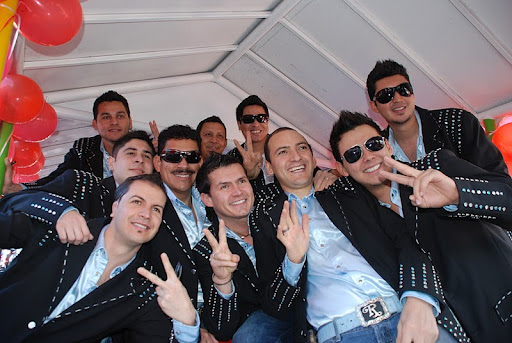
The more popular or more successful a Banda becomes, the better they become. They get better instruments, better musicians and uniforms. A good-looking Banda is quite a sight. Think about 18 guys in matching cowboy hats, brightly colored jackets, western shirts, matching pants and boots, all swaying to the beat of a song. Along with this, musicians swirl or pump their instruments in between stanzas. It is quite a sight to behold. You’ll get the picture in the videos.
 
Speaking of videos, Banda videos are fun! Often they tell a story, either about the song, or just about life in Sinaloa. Many are filmed in my wonderful city of Mazatlán. If you are ever in Mexico and have the opportunity to watch TV, check out a channel called BandaMax (Mazatlán cable, channel 11).
 
A Banda concert may at first glance look like controlled chaos, but it is very enjoyable and festive. But, there are a few things you should know. First, gentlemen need to wear their best jeans with stitching, a “western shirt” with glitzy design on back and/or front, your best cowboy hat and boots made from a dead animal. Ladies, anything tight that highlights cleavage will do great and really high heels. Banda concerts start late and go later. It is not uncommon to be going home at 3 or 4 in the morning. Beer is usually no more than 100 feet away at any given time. The event is very loud. I have been to a lot of rock concerts in the states, a Banda concert is louder.
 
Outside of a concert, how do you get to see a Banda? Acts just starting out will walk the beach or between restaurants looking for work on busy days. There are some restaurants and cantinas in town that are known for having Banda music. Some have a house band and others have different bands playing. Often, two will show up and it becomes a “Battle of the Bandas”. Bandas play little dance halls and cantinas. If they have a name or following, there will be signs advertising the Banda. For larger touring acts, concert venues are used. If you want to hire a Banda for a party, you can ask for cards of any Banda you see, or just go down to the area of town where they “hang out” and find one. If you’re in Mazatlán, just go east at the Fisherman’s Monument to the corner of Gutierrez Najera and Juan Carasco. You will find Banda bands looking for work hanging out there.
 
If you read this far, I’m impressed. What’s the bottom line on Banda? What you think of it when you first hear it will depend on how you hear it. If you hear a professionally recorded song by a mainstream Banda band, it will probably sound like Latin pop with horns. If, however, you are sitting in a cantina with your compadres and drinking a bucket of Pacificos, then you will think it is too loud, unorganized chaos. Remember in elementary school when Miss Carlson, the music teacher, arrived? She would open a big box of musical instruments, some shinier than others, but all capable of pleasing a child’s senses and wonderment and making a noise that, to a child under ten, passes for music. Remember Susie and Vicki would always fight over who got to play the triangle and whip it like mom’s mashed potatoes. Remember how Bobby always got the tambourine and ran around shaking it like a Hari Krishna? And remember how we would all just bang and tap and strum and hit and run to our own little personal beat? Remember that sound and how good it felt? Well, to many people, that’s what Banda sounds like the first time. The real problem with Banda is it needs room to breathe. Like good wine, the more it breathes, the better it gets. Keep listening and after a while, you will start to recognize the songs. They actually have a beat (and yes Dick Clark, you can dance to it) and the band is organized. In fact, the better the band, the better the organization.
If you decide you like a Banda song or a group and you want to buy the music, good luck. A mainstream act like Banda El Recodo can be found on line (iTunes, etc.) as well as some music by Julion Alvarez, Banda El Limon, and others who have had some success outside of Mexico. Beyond that, you are stuck. If a band gets lucky enough to get a record deal, they may have very limited, if not regional, distribution. I have spent weeks trying to find some CD’s and went so far as emailing the bands through their websites, Facebook pages and My Space pages. I still don’t have anything. I got some vague instructions on how one store might have something (not), I got a guy at a music store who was going to order them and call me (not). So, I have learned how to extract the audio from a YouTube video into MP3 format–problem solved–sort of. If you want to catch a Banda when they come to town, just check their websites and pages for a concert schedule, or watch for signs around town and their tour busses. How to get a ticket? I’ll save that for another time.
 
I created a playlist in my YouTube account with a whole bunch of videos. If you have about 45 minutes, you will see some of my favorite videos, many filmed in or about Mazatlán. You will:
·Learn a lot about typical Mexican life
·Enjoy a Banda remake of a 1970’s US pop classic.
·See Banda El Recodo live at a concert I attended
·See Grammy and Latin Grammy award winners
·Experience life on a Mazatlán beach during carnaval
·Learn about pigs, cheese, peanuts, cars, girls, beer…
·See that I snuck in one Mariachi song because it’s all about Mazatlán!